

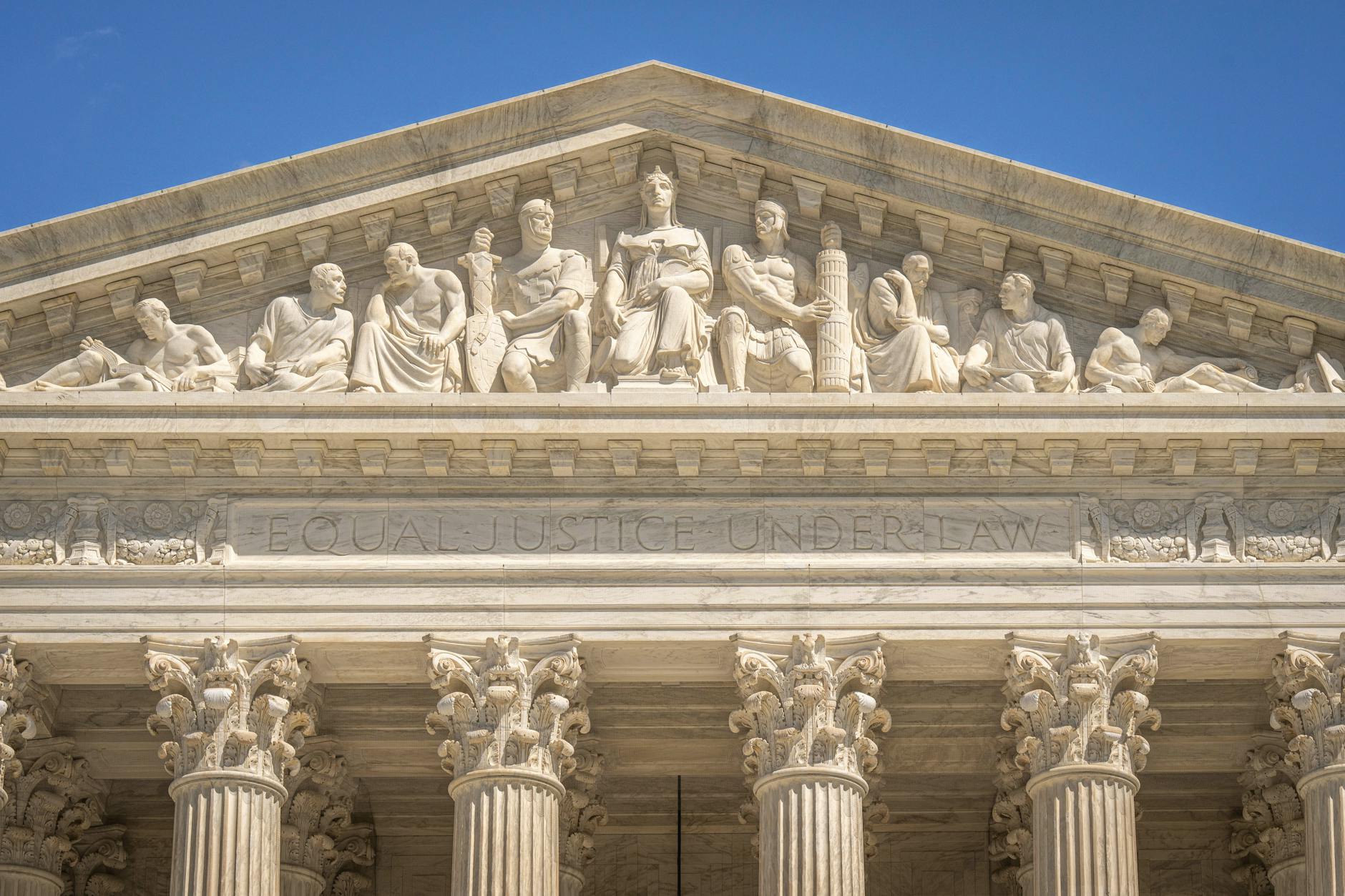
Justices say innovative gaming system makes rights “more vibrant, less predictable.”
In a bold modernization of American jurisprudence, the Supreme Court on Friday debuted a custom-built, 8-foot “Spin The Constitution” wheel, announcing that all major constitutional questions will now be resolved by giving it a “good, patriotic whirl.”
Clerks wheeled the brightly colored device into the courtroom shortly before arguments, parking it between the bench and counsel table. The wheel, engraved with options including “Originalism,” “Vibes,” “What If Corporations Are People But More,” and “Ask Clarence’s Friends,” will replace traditional legal reasoning for the remainder of the term.
“For too long, the court has relied on dusty precedents and tedious logic,” the Chief Justice said, gripping the wheel’s gold-plated handle. “This new system brings the excitement back to constitutional rights. Also, it really speeds things up before lunch.”
‘Judicial Efficiency, But Make It Carnival’
According to an internal “Judicial Innovation & Fun Committee” memo, the wheel was commissioned after justices grew “bored and overstimulated” by 500-page briefs and wanted a process that “felt more like a game show and less like dismantling democracy in slow motion.”
The memo explains that in close cases, justices may opt to “double-spin” or invoke a “Best Two Out Of Three” doctrine. A flashing LED scoreboard mounted above the bench announces outcomes in real time: “RIGHT TO VOTE: SPARED (FOR NOW)” or “ENVIRONMENT: OOPS.”
“It’s not that we’re abandoning the rule of law,” said one senior court aide. “We’re just adding the rule of luck, the rule of vibes, and a small sponsorship from DraftKings Constitutional™.”
Sources say the wheel is calibrated to spin more slowly when corporate interests are at stake, ensuring “a more thoughtful and profitable outcomes process.”
“In my day, we pretended to follow precedent before ignoring it,” said one retired justice. “Now they just spin a wheel that literally has a slice labeled ‘Precedent, But Nah.’ I sort of respect the honesty.”
New ‘Mystery Rights’ Slice Already Causing Turmoil
The most controversial feature is a shimmering, holographic “Mystery Right” wedge that, when landed on, briefly creates a new constitutional right, only for it to vanish at the start of the next term.
In a test run, the court accidentally granted every American the “Right To Reply-All On Government Emails,” crashing multiple federal servers in seconds before the wheel was hastily re-spun to “States Can Figure It Out, Probably.”
Another spin produced the “Right To 20-Minute Nap Breaks During Jury Duty,” which legal scholars immediately hailed as “the most popular thing the court has done in 50 years.” The right was rescinded 14 minutes later when a follow-up spin landed on “Strict Textualism, Suddenly.”
To maintain an appearance of gravitas, the wheel’s “Cancel A Right” slice is labeled in Latin, while the “Do Whatever That 18th-Century Guy Would’ve Wanted” section features a portrait of a powdered wig slowly weeping.
“Sometimes it lands on ‘Fundamental Right’ and sometimes it lands on ‘Traditionally We Just Didn’t Do That,’” said one appellate lawyer, watching the wheel spin during arguments. “It’s like watching your client’s future get decided by a cross between Judge Judy and The Price Is Right, if the prize were the Voting Rights Act.”
Clerks Now Required To Shout ‘SPIN! SPIN! SPIN!’
Under new procedural rules, oral arguments will conclude with both sides standing silently as the Chief Justice gives the wheel a ceremonial yank. Law clerks must then chant “SPIN! SPIN! SPIN!” until the pointer stops, or until confidence in the rule of law drops below 20 percent, whichever comes first.
Audio recordings from a recent case capture the tense moment when the wheel nearly landed on “Meaningful Police Accountability” before nudging over to “Qualified Immunity: But Extra.” Witnesses say the audible groan echoing through the chamber briefly registered on the U.S. Geological Survey.
In an attempt at transparency, the court released a simplified infographic explaining the new process, which consists of three boxes: “1. Ask Big Constitutional Question,” “2. Spin,” and “3. Issue 117-Page Opinion Pretending We Didn’t Spin.”
Reality Check
The real-world backdrop to this satire is ongoing concern about how the Supreme Court makes decisions and manages ethics, transparency, and power. Recent reporting has described major shifts in how the court operates, including its growing use of the “shadow docket,” reduced explanation for impactful rulings, and questions about conflicts of interest and accountability. These changes have raised debates about whether the court is becoming less predictable and more politicized in ways that could reshape American law for decades.
Court defenders argue they are simply applying the Constitution as written. Critics worry the process increasingly resembles improvisation with enormous real-world stakes—though, so far, without an actual spinning wheel.
Coming Soon: ‘Textualism, But For Fun’ Mobile App
Despite criticism, the court appears committed to its new risk-based model. A beta-version mobile app, “SCOTUS Roulette,” will soon let Americans spin a virtual wheel each morning to see whether their rights are “Safe,” “Under Review,” or “Limited Time Offer.”
Asked whether relying on a giant wheel might undermine public trust in the judiciary, one justice shrugged.
“Honestly,” the justice said, giving the wheel another enthusiastic yank, “it’s not that different from what you already thought we were doing.”
The wheel landed on “Public Confidence,” then slowly ticked one notch farther to “Try Again Next Term.”
Satire disclaimer: This article is satire and parody. It is not factual reporting.
Original source: The New York Times
Image credit: Mark Stebnicki — source. Show a visible credit link to Pexels on the site.