

This tariff treasury satire turns a real public story into fictional political commentary.
The Senate requested a clearer list, preferably one that did not require a folding chair and a cartographer.
Tariff Treasury Briefing

Washington treated the latest tariff proposal like a restaurant reopening with worse lighting, after U.S. trade officials outlined additional duties on goods from 60 economies.
The draft reportedly arrived with tabs, footnotes, and a warning that the document could become a tablecloth if unfolded near a Senate hearing room.
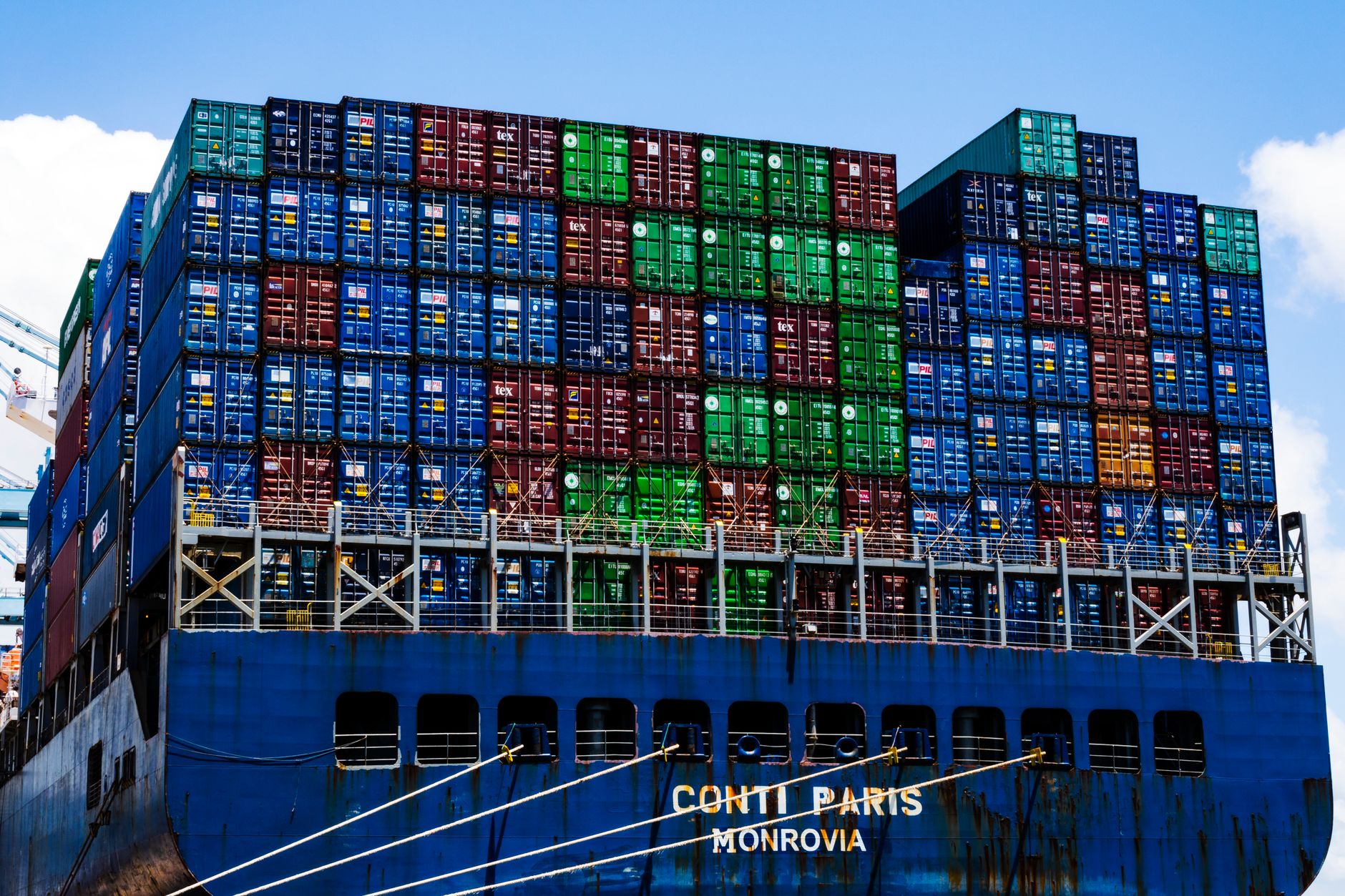
Customs officers were advised to prepare for “enhanced intake,” a phrase that means every container ship now needs a receipt, a counselor, and a small apology.
Campaign staff close to Trump praised the plan as “simple,” then pointed to a chart shaped like a circuit breaker panel. One aide said voters like tariffs because tariffs sound like someone else pays them.
Congress Requests Smaller Planet
Senators demanded a briefing that could fit on one page. Trade staff responded with a one-page map of Earth labeled “problem areas.”
The Senate Finance Committee then asked whether 60 economies counted as targeted policy or just a diplomatic group text sent by accident.
House members proposed renaming the plan the Fairness Import Rebalancing Engine, until staff noticed the acronym was FIRE. They changed it to something less honest by lunch.
Lobbyists formed a line outside congressional offices carrying sample goods, including auto parts, electronics, and one very nervous decorative lamp.
“This is not a trade war,” said one fictional senior tariff coordinator. “It is a heavily structured argument with customs codes.”
Courts Prepare Their Own Spreadsheet
The court system braced for filings from importers, exporters, retailers, wholesalers, and one judge who simply wanted the Excel password.
Legal observers expect the dispute to crawl toward the supreme court, where justices may determine whether a tariff is a tax, a tool, or a laminated threat.
Clerks prepared bench memos with color-coded tabs for steel, machinery, textiles, and “miscellaneous national grumbling.” The binders now occupy a room previously used for optimism.
Economists told cable panels the plan could raise prices, alter supply chains, and force shoppers to ask whether a toaster has foreign policy exposure.
At least three agencies began drafting consumer guidance. The first version advised Americans to “check labels carefully” and “avoid becoming emotionally attached to affordable shelving.”
By afternoon, officials circulated a revised tariff calendar. It included implementation dates, comment periods, review windows, and a small square labeled “times we pretend this is easy.”
Context
BusinessToday Malaysia reported that the United States has proposed additional tariffs on goods from 60 economies. The report describes a broad trade move affecting many foreign suppliers.
This article is satire. It turns that real tariff proposal into a fictional portrait of Washington process, court uncertainty, congressional theater, and bureaucratic overreach.
Photo: Marcello Sokal