

The Senate requested receipts, the court requested definitions, and America requested a chair near the exit.
As Trump prepares for talks in China, Washington’s foreign policy apparatus has entered its traditional pre-trip posture: arguing about tariffs, Iran, global standing, and whether the phrase “very respected” can be entered into the diplomatic record without supporting evidence.
In Political Chaos’ fictional reconstruction of the week’s briefing, aides packed binders on trade, nuclear tensions, and public opinion, only to discover the president had already approved a simpler strategy: a laminated tariff punch card promising “Buy Ten Import Taxes, Get One Strategic Ambiguity Free.”
The document reportedly included columns for china, steel, soybeans, “mystery leverage,” and a space labeled “supreme court maybe?” which no one in the room was willing to explain while microphones were on.
The Tariff Loyalty Program
The tariff debate has followed Trump abroad like a carry-on bag nobody admits belongs to them. Supporters describe tariffs as a muscular defense of American industry. Critics describe them as a bill that starts in a factory and ends in a shopping cart, wearing a tiny flag pin.
“The plan is to make tariffs sound so tough that prices feel unpatriotic for rising,” said one fictional trade adviser, staring at a chart that had been rotated upside down for confidence.
Senate Republicans, meanwhile, have tried to sound supportive without being photographed near a spreadsheet. Democrats have treated the trip as proof that Trump’s foreign policy is less a doctrine than a series of caps-lock notifications from international airports.
The court system, never far from the Trump storyline, has also lingered in the background as legal battles over executive power continue to provide the administration with both constraints and fundraising verbs. One congressional staffer described the mood as “foreign policy by pending appeal.”
Iran, Standing, and the National Group Project
Iran remains the part of the briefing book most likely to make everyone suddenly interested in coffee. The administration wants to project strength, avoid escalation, reassure allies, warn adversaries, and do all of it while half the country is still arguing about whether tariffs are taxes, weapons, or decorative campaign furniture.
America’s world standing has become the most overworked phrase in Washington, invoked by every faction and defined by none. In cable-news terms, it now means whatever happened during the last segment plus a flag graphic.
“Our international reputation is strong, fragile, historic, collapsing, and better than ever, depending on which senator found a camera first,” said a fictional foreign policy analyst.
The trip comes at a time when public opinion is doing what it does best: refusing to fit neatly into anyone’s talking points. Americans can dislike tariffs in the checkout line, support toughness toward China in the abstract, worry about Iran in the evening, and still tell pollsters the whole thing feels like a committee hearing trapped inside a timeshare presentation.
Context
NPR reported on American public opinion surrounding tariffs, Iran, and the United States’ global standing as Trump prepares to go to China. The real story examines how voters view major foreign policy issues tied to the trip and the broader debate over America’s role in the world.
Satire notice: This article is satire and parody. It is not factual reporting.
Inspired by: NPR
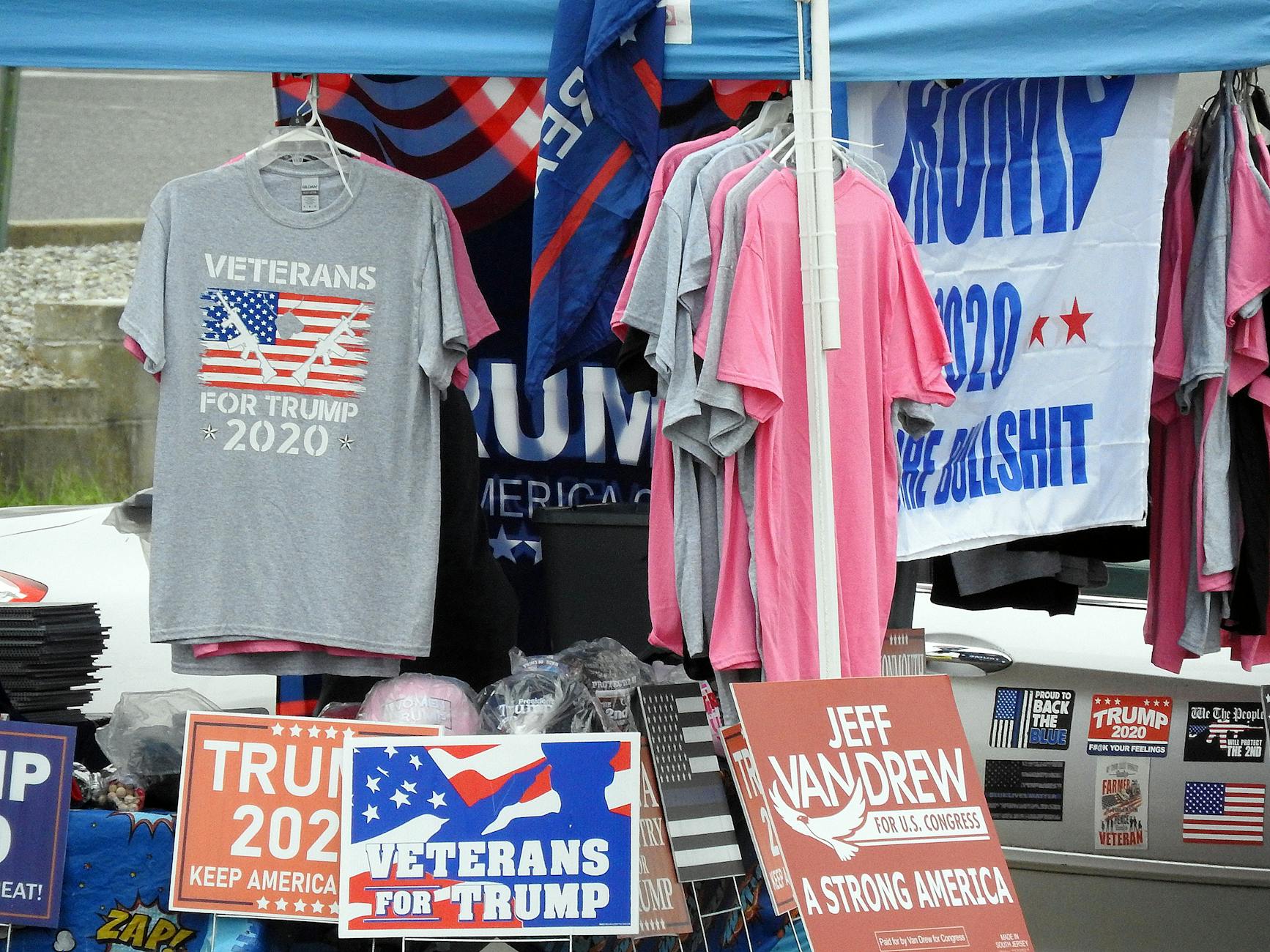
Photo: Allen Beilschmidt sr.
[…] Trump Brings Tariff Punch Cards to China Talks, Confusing Diplomats […]