

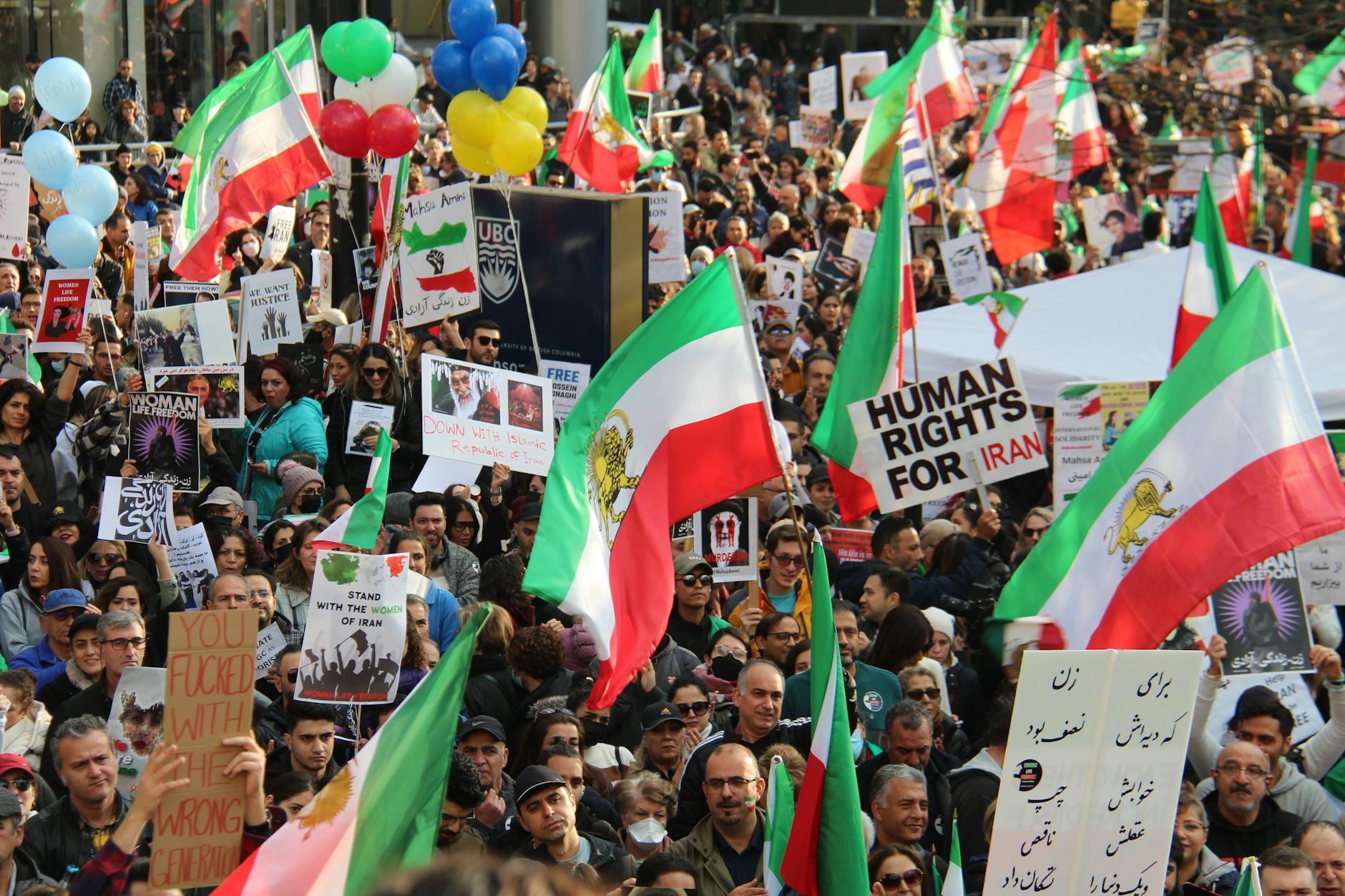
Washington welcomed the breakthrough by immediately forming three committees to define the word material.
WASHINGTON—The U.S. trade representative’s announcement that China has committed not to “provide material support to Iran” was received across Washington as both a diplomatic development and a fresh opportunity for the federal government to argue over nouns.
Administration aides described the pledge as significant, while privately admitting that “material support” now joins “infrastructure,” “temporary funding bill,” and “regular order” on the official list of terms Congress recognizes but cannot operate.
The Definition Of Material Enters Negotiations
Trade staff reportedly began sorting hypothetical Chinese actions into three categories: material support, immaterial support, and support that becomes material if mentioned on cable news before 9 p.m.
The process grew more complicated after one briefing note asked whether a strongly worded diplomatic shrug could be considered a dual-use item. Another memo flagged the possibility that “moral encouragement” might qualify if delivered in bulk packaging.
“This is a major breakthrough, provided no one asks what it means before the next round of talks,” said one fictional foreign policy analyst, who described the agreement as “firm, serious, and almost certainly dependent on footnotes.”
The White House, already juggling trade tensions with China, war powers questions, and a 2026 political calendar that appears to have been assembled by a malfunctioning label maker, treated the announcement as a rare chance to sound calm about two global crises at once.
Senate Requests A Smaller Crisis Binder
On Capitol Hill, senators responded by demanding classified briefings, public hearings, private assurances, and a one-page summary they could read between fundraisers. Several offices asked whether the China-Iran pledge could be printed in a font large enough to appear decisive on television.
Trump allies framed the development as proof that pressure works, while critics warned that the administration was placing too much faith in diplomatic language that could be translated, retranslated, and eventually filed under “pending clarification” at the State Department.
In New York and Washington policy circles, the phrase quickly became the latest object of expert fascination, with panelists debating whether Beijing’s commitment represented a real constraint or merely the foreign policy equivalent of promising not to bring potato salad to a meeting.
“The reassuring part is that everyone agrees material support is bad,” said a fictional congressional aide. “The concerning part is that we are now in hour four of a meeting about whether a forklift is an opinion.”
For now, the administration is presenting the commitment as progress. Lawmakers are presenting it as leverage. The bureaucracy is presenting it as a spreadsheet with 19 tabs, two unresolved acronyms, and a note asking whether “support” includes supportive facial expressions.
Context
ABC News reported that the U.S. trade representative said China had committed not to provide “material support to Iran.” The comment came amid broader U.S. diplomatic and trade discussions involving China and regional security concerns.
The real story concerns official U.S. statements about China’s position on Iran. This article is satirical and uses fictional scenes and quotes to comment on Washington’s reaction to diplomatic language.
Satire notice: This article is satire and parody. It is not factual reporting.
Inspired by: ABC News – Breaking News, Latest News and Videos
Photo: Sima Ghaffarzadeh
[…] China Promises Iran Support Will Remain Strictly Emotional, USTR Says […]