

Officials confirm entire foreign policy now based on vibes, pop quizzes, and port blockades scored like standardized tests.
Declaring that “geopolitics is basically eighth-grade math, but with boats,” President Donald Trump on Wednesday urged Iran to “get smart soon” and sign a deal, triggering an emergency, worldwide intelligence assessment run entirely out of the White House press bullpen.
Within hours, senior aides announced the creation of the “Strategic Smartness Task Force,” a rapid-response team charged with determining which countries are “smart,” “smart enough,” or “still working on it, bless their hearts.”
“The President has been very clear,” said one senior official, shuffling a stack of blank binders. “If Iran achieves the minimum intelligence threshold of ‘smart soon,’ we can end the war. If they remain at ‘kinda slow about deals,’ the port blockade will be extended, possibly until everyone learns their lesson or the midterms, whichever comes first.”
White House Introduces Official ‘Smartness Rubric’ for Hostile Nations
According to a leaked three-page memo printed in 18-point font, the administration’s “National Smartness Rubric” evaluates adversaries on four key metrics: willingness to sign deals, attitude during press conferences, number of boats they have “just sitting there,” and “overall vibes.”
“The President said Iran needs to ‘get smart soon,’ not ‘get smart eventually,’” explained a State Department spokesperson. “This is a firm yet flexible timeline that can be extended indefinitely as needed for leverage, optics, or vibes-related reasons.”
Amid reports that the U.S. will extend its blockade of an Iranian port, Pentagon officials clarified that the blockade is “not punitive,” but rather “an immersive learning environment where ships reflect on their choices.”
“If Iran signs the deal, that’s smart. If they don’t, that proves they’re not smart. Either way, our metrics are validated,” said a senior defense analyst while labeling a map ‘Ocean?’
To demonstrate fairness, the administration also announced a pilot program requiring every foreign leader to complete a short “Are You Being Smart About This War?” questionnaire delivered via LinkedIn.
International Community Braces for ‘Get Smart’ Doctrine
Allies reacted cautiously to the new standard. European diplomats privately expressed concern that the phrase “get smart soon” is too vague, asking whether “soon” means days, weeks, or “the period of time between a Trump tweet and a complete policy reversal.”
“We support de-escalation,” said one EU official, “but we’re unclear why global stability is being managed like a group project where the U.S. controls the Google Doc and keeps changing the title to ‘MY GREAT DEAL (FINAL) (REAL FINAL) (USE THIS ONE).’”
Pressed on what would happen if Iran did, in fact, sign the deal, a White House aide was upbeat. “Then they will have gotten smart,” the aide said. “At that point, of course, we’ll need a new demand so they can get even smarter.”
“Global peace is a journey,” the aide added, “but also a curve we grade on.”
Reality Check
The real news: In late April 2026, reports said President Donald Trump urged Iran to “get smart soon” and sign a deal, following days of deadlock in efforts to end the war. Coverage also noted a media report that the United States would extend its blockade of an Iranian port. The rest of this article is satire and exaggeration for comedic effect. For accurate information, rely on reputable news outlets covering U.S.–Iran relations and current U.S. foreign policy.
Satire disclaimer: This article is satire and parody. It is not factual reporting.
Original source: LinkedIn
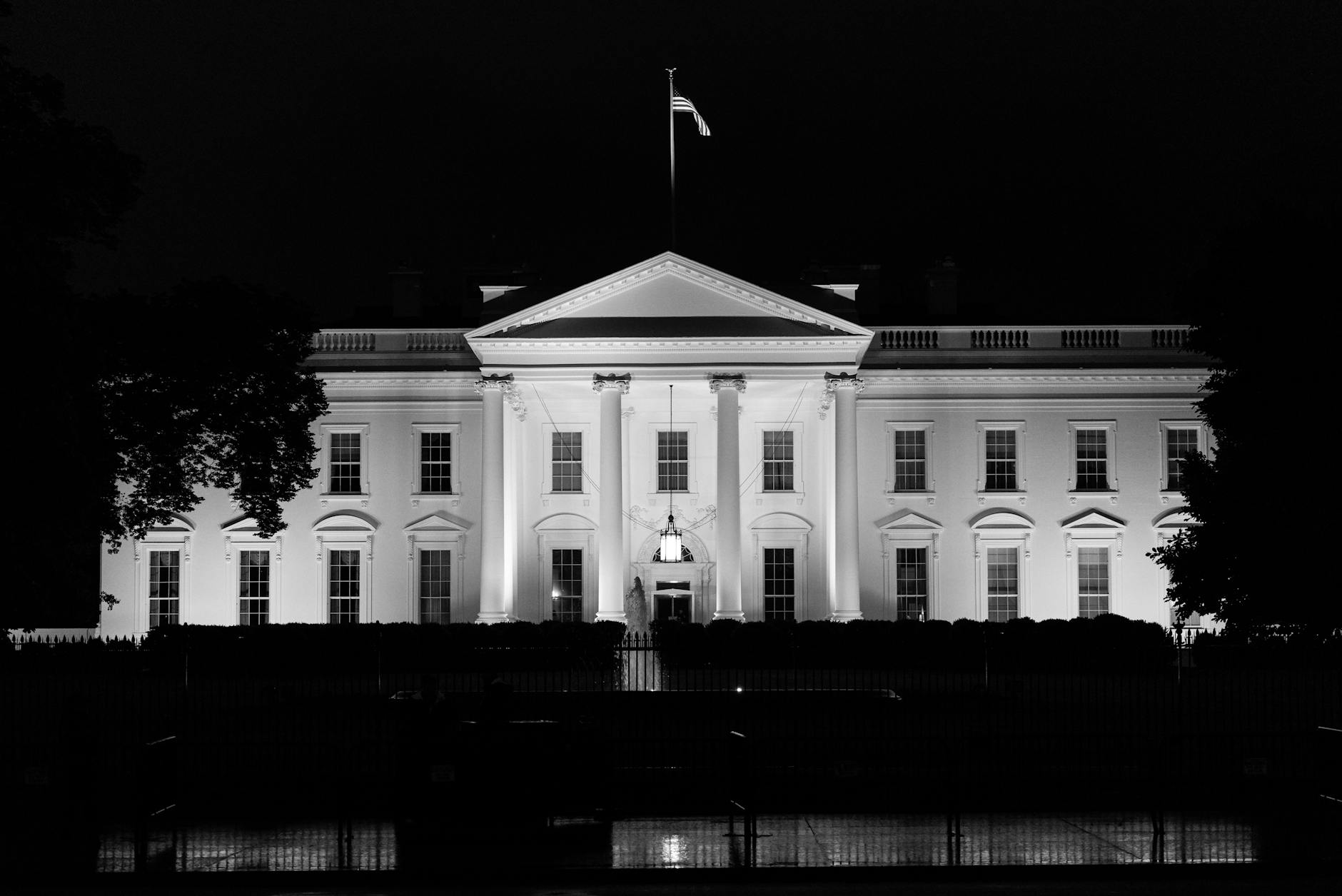
Image credit: Dominik Gryzbon — source. Show a visible credit link to Pexels on the site.
[…] Trump Tells Iran to ‘Get Smart Soon’ As White House Launches Global IQ Audit […]
[…] Trump Tells Iran to ‘Get Smart Soon’ As White House Launches Global IQ Audit […]
[…] Trump Tells Iran to ‘Get Smart Soon’ As White House Launches Global IQ Audit […]