

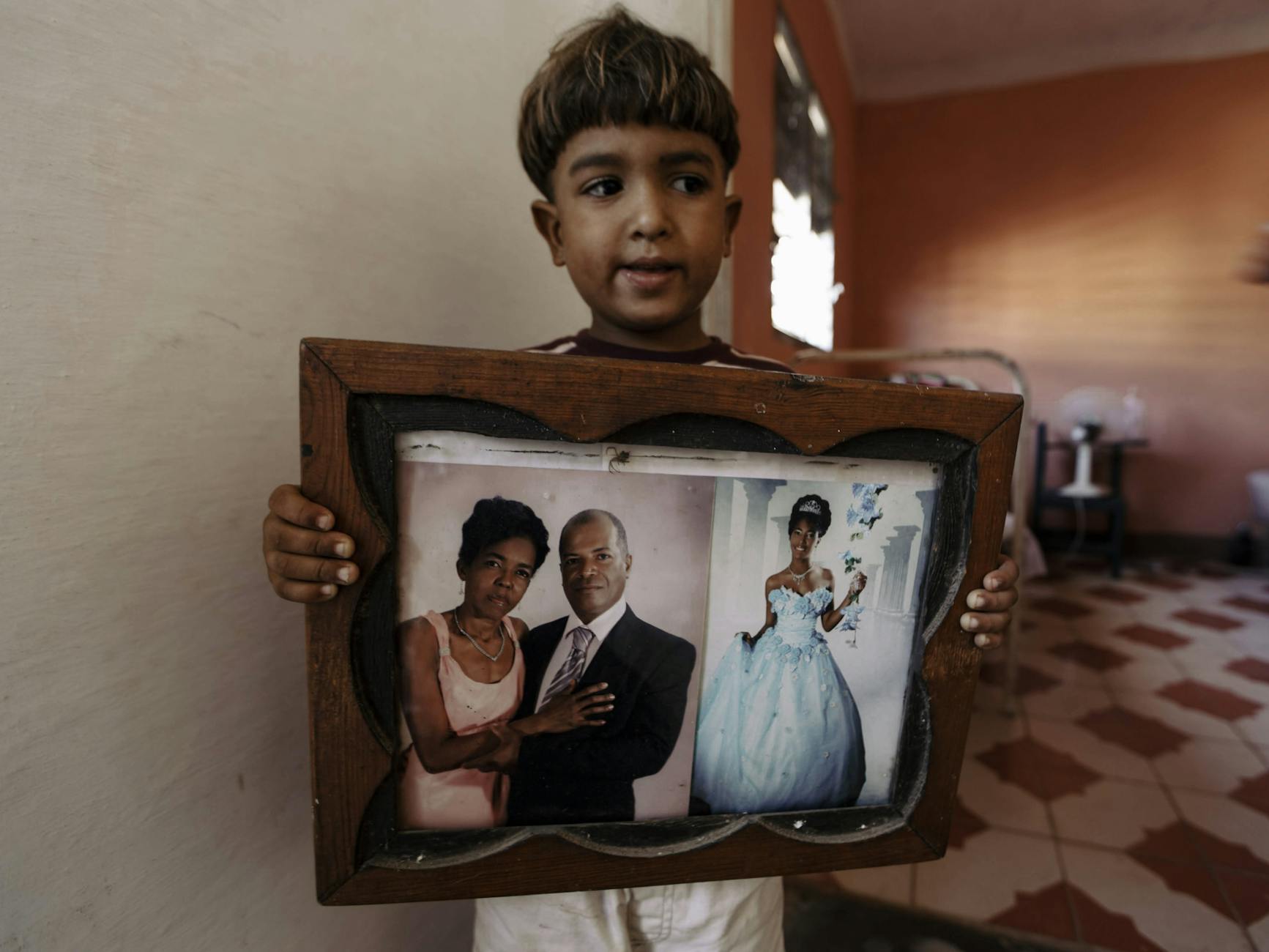
This white house sanctions satire turns a real public story into fictional political commentary.
Treasury clarified that aunt emojis remain legal if filed as humanitarian stationery.
White House Sanctions Briefing

WASHINGTON — In a fictional compliance bulletin issued with the firmness of a stapler injury, the White House announced that sanctions on Cuba’s president now extend to “immediate relatives, affiliated cousins, and one extremely active family group chat.”
The Treasury Department described the move as a precision instrument. It then released a 43-page appendix defining “Good morning, family” as a potentially restricted transaction.
Under the new policy, American companies must avoid doing business with sanctioned relatives, their shell entities, and any WhatsApp thread using a palm tree icon. Treasury lawyers called the icon “jurisdictionally suspicious but not dispositive.”
The Office of Foreign Assets Control created Form OFAC-407B, “Application to Like a Photo Without Providing Material Support.” The form includes a checkbox for birthdays, weddings, and ambiguous beach gatherings.
“We are not sanctioning affection,” a senior sanctions official said. “We are merely freezing its assets pending review.”
The Compliance State Discovers Cousins
Federal guidance warned banks to screen transactions for phrases like “tell your mother I said hello.” One regional bank immediately flagged 600 lunch payments and a suspicious quinceañera deposit.
A House staffer asked whether the policy applied to family recipes. Treasury answered with a chart showing black beans as “generally authorized,” unless cooked in a politically exposed pot.
The Supreme Court was not asked to intervene, but clerks reportedly prepared a bench memo titled United States v. Tía’s Forwarded Prayer Chain. It was filed under “possible future doctrine” and “kitchen table sanctions.”
The State Department added a travel advisory for Americans attending Cuban family functions. Guests may bring flowers, but must not compliment the centerpieces in a way that creates reputational liquidity.
Foreign Policy Enters the Seating Chart
White House aides praised the sanctions as targeted. Then a conference room printer produced a seating chart with red circles around “uncle,” “godfather,” and “person who always brings ice.”
A separate memo compared the measure to Iran sanctions and war planning, but only in font size. Staff rejected a proposal to rename the family chat “Maximum Pressure Plus Abuela.”
Compliance officers across Washington began updating training slides. The first slide now reads: “If a sanctioned cousin sends a thumbs-up, do not reciprocate until Legal has cleared the thumb.”
By afternoon, the administration clarified that ordinary Cuban families were not the target. It also reserved the right to investigate any household where the designated relative controls the aux cord.
The final guidance landed just before dinner. It instructed agencies to monitor “informal kinship networks” while respecting privacy, dignity, and the sacred neutrality of Tupperware.
Context
The United States announced sanctions on Cuban President Miguel Díaz-Canel and some family members as tensions between Washington and Havana continued. Such sanctions usually freeze assets under U.S. jurisdiction and limit dealings with sanctioned people.
Anadolu Ajansı reported the sanctions on June 4, 2026. The real action fits into a long-running dispute between the U.S. and Cuba over human rights, diplomacy, and political pressure.
Photo: Mehmet Turgut Kirkgoz
[…] White House Sanctions Cuban President’s Family Group Chat […]