

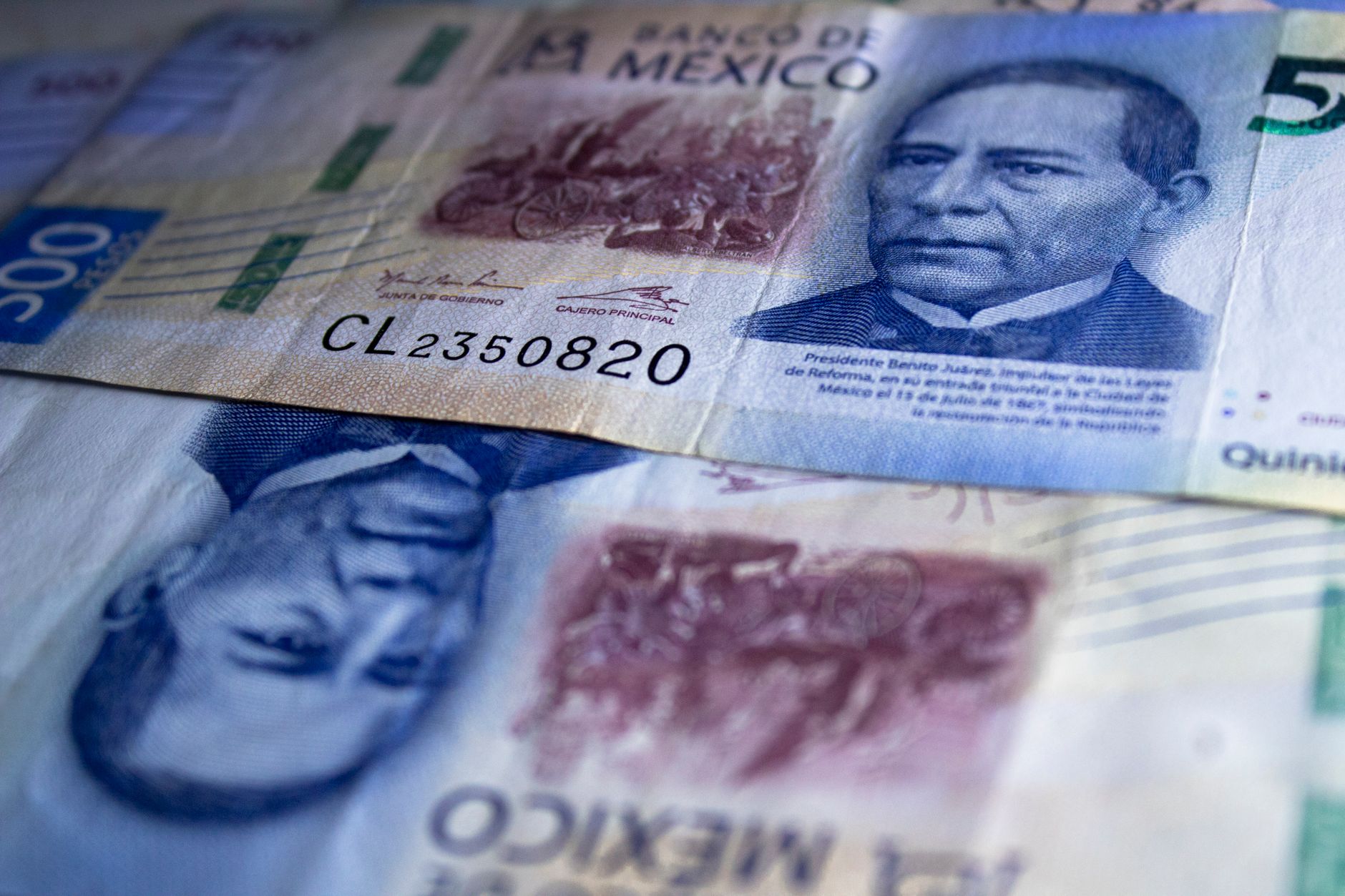
This white house asks satire turns a real public story into fictional political commentary.
Treasury staff highlighted the word “market” in red, then forwarded it to whichever court currently regulates irony.
White House Asks Briefing

The White House spent Friday studying Cuba’s announced market reforms. Staff had to decide if they were capitalism, a sanctions workaround, or unauthorized use of the American brand.
A draft memo labeled the reforms “potentially competitive.” It recommended that Havana file Form 1776-B, Request To Become Market-Oriented Without Making Washington Look Silly.
Treasury lawyers reportedly opened three binders from the Trump years, two from the Biden years, and one marked “Cuba: Do Not Solve.” Nobody claimed ownership of the last binder.
The sanctions office then faced a procedural problem. If Cuba allows more private enterprise, officials must determine whether to punish it for being socialist or reward it for doing socialism incorrectly.
Capitalism Requires Prior Approval
The National Security Council proposed a new licensing category for “hostile lemonade stands.” Under the plan, Cuban barbers could sell haircuts only after proving the clippers were not financed by China.
A senior adviser suggested sending observers with clipboards to Havana’s markets. The observers would verify that supply and demand were occurring in a way “consistent with U.S. committee norms.”
“We support free markets, but not when they appear without our stamp,” one fictional trade analyst said.
The Senate requested a hearing titled “Cuba’s Reforms And Other Things We Intended To Oppose Later.” Staff reserved a room, ordered cold coffee, and printed name cards for five senators already scheduled to leave early.
One committee aide floated a bipartisan compromise. Cuba could modernize its economy if every cash register played a short recording of Congress failing to pass a budget.
The Courts Enter The Checkout Line
The Justice Department asked whether the Supreme Court might eventually decide if foreign market reforms have standing. A junior lawyer wrote “probably yes” beside a doodle of a gavel hitting a mango crate.
White House message planners also weighed a regional branding issue. If Cuba’s reforms work, Iran might ask for a pilot program, and Washington would need another adjective between “maximum” and “pressure.”
Officials briefly considered welcoming the reforms as a sign sanctions were working. They dropped the idea after realizing that would require describing the policy as successful, flexible, and not trapped in 1962.
By evening, the administration settled on a familiar response. It will monitor developments closely, condemn all unacceptable improvements, and wait for a court to explain the difference between a market and a loophole.
Context
Cuban President Miguel Díaz-Canel announced deep economic and market reforms as the country faces continued U.S. sanctions and serious financial strain.
The real announcement focused on changes meant to address Cuba’s economic problems. This satire imagines Washington reacting as if Cuba needed permission to experiment with market policies.
Photo: Sebastian PH