

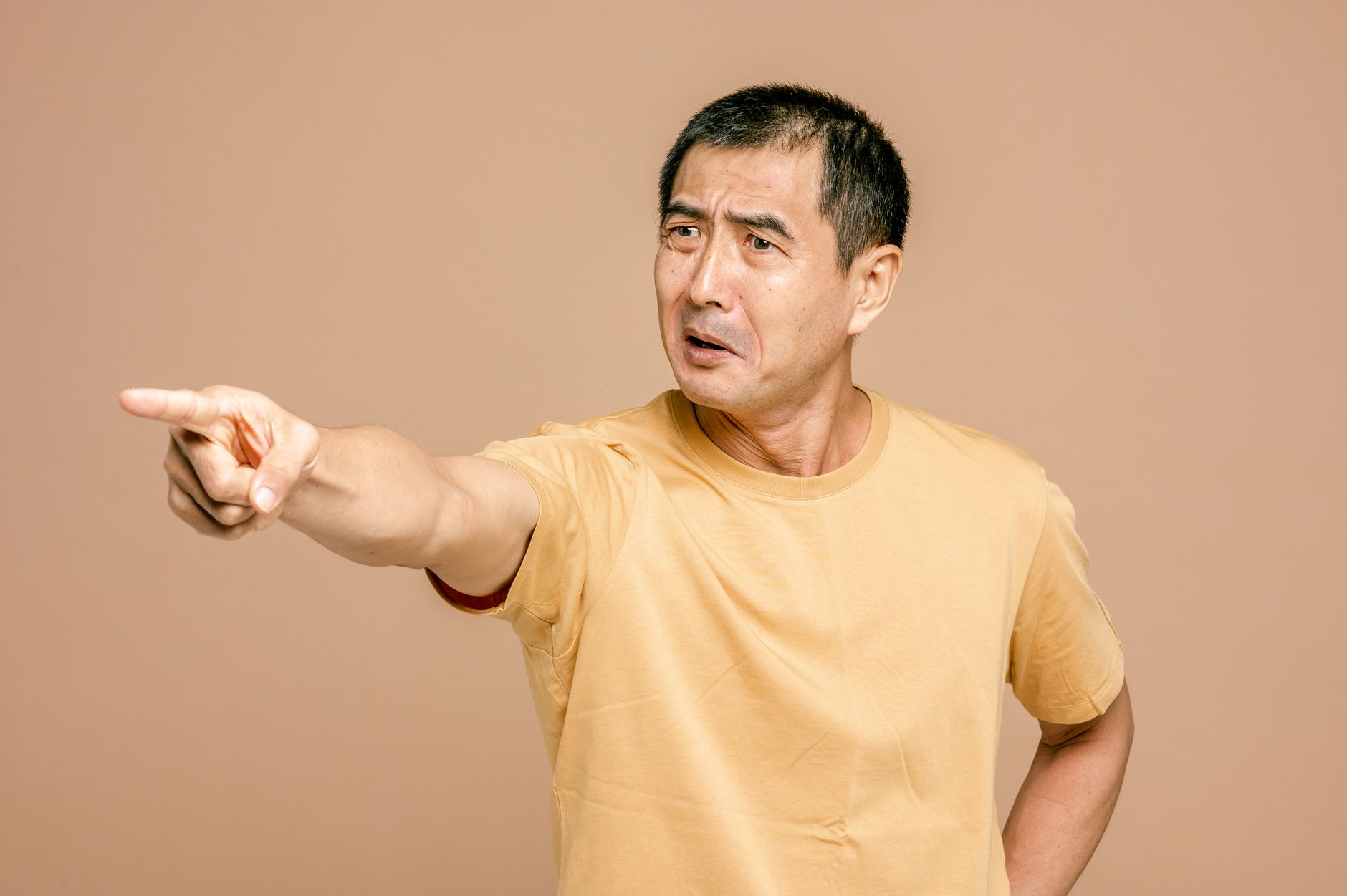
This china beijing satire turns a real public story into fictional political commentary.
The alleged evidence reportedly included a tote bag, three acronyms, and the dangerous ability to summarize a panel discussion.
China Beijing Briefing

Beijing’s national security bureaucracy has reportedly expanded the definition of espionage to include the possession of a conference lanyard with laminated ambition.
Following the arrest of a U.S. scholar and think tank director accused of spying, a fictional internal handling memo classified the case as “academic over-preparedness with possible foreign note-taking.”
The memo identified several warning signs. These included a full bibliography, calm answers during panels, and the ability to say “regional security architecture” without checking a card.
The Footnote Threat Matrix
Investigators allegedly placed the suspect’s published work into a new review system called the Footnote Threat Matrix. The system ranks citations from “normal professor behavior” to “someone has read the annex.”
A highlighted chart warned that think tank reports often contain maps, arrows, and verbs like “coordinate.” Security clerks marked all three as dual-use materials.
“No innocent person brings two pens to a closed-door breakfast,” the memo warned.
One conference tote bag received special attention. It contained a notebook, a hotel pen, and a granola bar described as “suspiciously shelf-stable.”
Another file noted that the scholar had attended panels on China, Iran, and trade. This created what one form called “a triangle of listening.”
The bureaucracy then opened a subfolder for acronyms. NATO, WTO, and GDP were placed under review, while RSVP was cleared after a short court-style proceeding in Room 4B.
Washington Initiates Binder Response
In Washington, the policy community responded with the traditional instrument of concern: a binder with tabs. The Senate received a briefing packet titled “Scholars, Spies, and the Coffee Urn Gap.”
A fictional White House aide requested a list of every American who has ever said “track two dialogue” near a microphone. The first draft included half of Georgetown and one retired man at C-SPAN.
Former Trump officials reportedly recognized the binder format immediately. One called it “the same color we used for things we were not going to solve by Friday.”
The Supreme Court was not involved, but three cable panels placed it on a graphic anyway. The chyron department said the word “court” tested well with viewers eating lunch.
By afternoon, think tanks across Washington updated their security guidance. Staff were told to remove suspicious verbs from reports, stop carrying tote bags, and describe all panels as “rooms with chairs.”
The final recommendation urged scholars traveling abroad to avoid espionage-adjacent behavior. This includes reading, writing, nodding, asking follow-up questions, or knowing where the embassy is.
Context
UPI reported that Chinese authorities arrested a U.S. scholar who directs a think tank and accused that person of spying. The report described the case as part of a serious legal and diplomatic matter.
The arrest comes during a tense period in U.S.-China relations, where security concerns often affect academic, policy, and business exchanges. This article is satire and invents the bureaucratic details above.
Photo: Ketut Subiyanto