

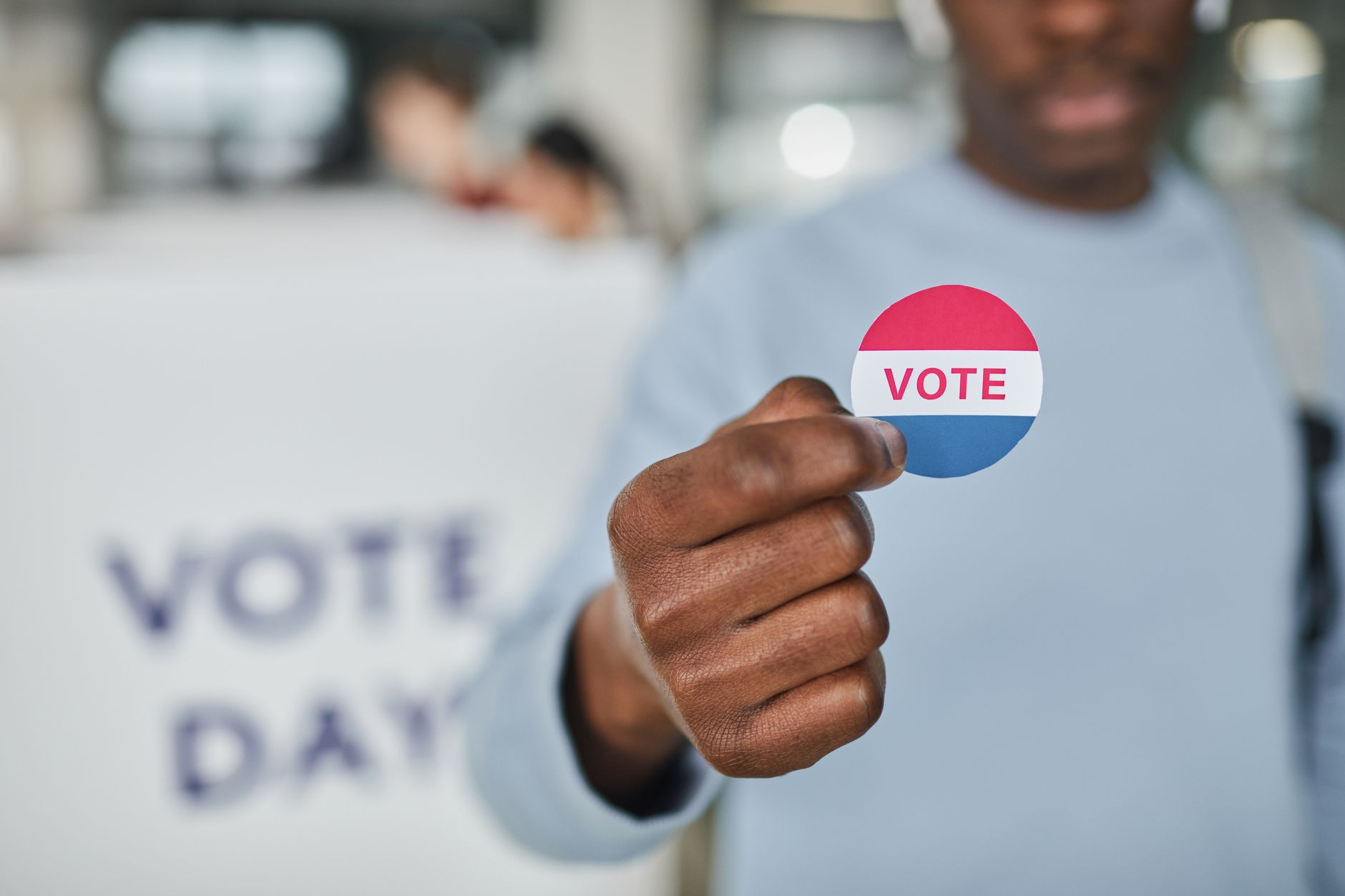
This congress maine satire turns a real public story into fictional political commentary.
Both parties agreed the statistical figure had the best favorability because it had not yet spoken at a diner.
Congress Maine Briefing

Maine’s 2026 U.S. Senate race took a procedural turn Monday after campaign aides treated the latest polling average as a ballot-access hearing.
The dispute began when a New York Times polling page showed a close contest with undecided voters still wandering the state like unclaimed yard signs. Within hours, both major campaigns began referring to the margin of error as “the only candidate with room to grow.”
Staffers in Augusta printed mock badges for the figure, listing its party as “Statistical.” One badge gave it a title: Senator ±3.4.
The campaigns then prepared opposition research. The file contained four decimals, three footnotes, and one blurry screenshot of a crosstab attending a seafood festival.
Pollster Advances To General Election
Election lawyers were asked whether a margin of error can qualify for a debate podium. One memo found no clear prohibition, provided the podium remains within 95 percent confidence.
“This is not a constitutional crisis,” said one election-law professor. “It is a spreadsheet wearing a tie.”
The Senate campaigns still ordered debate prep. Volunteers practiced attacking the margin’s record on taxes, inflation, and refusing to answer whether it supports Trump, China tariffs, or the Oxford comma.
A consultant recommended humanizing the number with a soft-focus ad. The first draft showed the margin of error walking along the Maine coast, listening to dockworkers, and carefully not committing to Iran policy.
Congressional strategists in Washington reacted with professional alarm. A Senate aide asked whether the number would caucus with Democrats, Republicans, or the Appropriations Committee’s copier repair faction.
Congress Demands Decimal Oversight
By afternoon, a House subcommittee requested testimony from the polling average. Clerks reserved a witness chair, a glass of water, and a small nameplate reading “MoE.”
The Federal Election Commission received a fictional complaint alleging the margin had accepted excessive in-kind contributions from undecided voters. The complaint included a pie chart, which staff returned for “being too confident.”
Campaign finance consultants proposed a super PAC called Maine Citizens For Reasonable Sampling. Its first ad accused rival polls of being “coastal elites from York,” despite Maine also having a York.
Local campaign offices tried to adapt. One field director instructed canvassers to knock on doors and ask residents whether they supported the Democrat, the Republican, or “the ghostly gray band around both.”
The Times page continued updating, which campaign staff described as hostile activity. One aide taped a paper towel over the browser tab and called it message discipline.
By evening, both campaigns claimed momentum. The margin of error declined to comment, citing an ongoing internal review of its decimals.
Context
The New York Times published a page tracking the latest polling in Maine’s 2026 U.S. Senate election. Polling pages commonly show candidate standings, undecided voters, and margins of error.
This satire imagines campaigns treating that statistical margin as a real political rival. It does not claim any candidate, party, court, or agency actually took those actions.
Photo: Edmond Dantès
[…] Maine Senate Campaigns Declare Margin Of Error A Third Candidate […]