

This trump sends satire turns a real public story into fictional political commentary.
The White House said the Iran file now includes glitter stationery, three sanctions waivers, and one intern trained not to write “besties.”
Trump Sends Briefing

WASHINGTON — The White House turned a foreign policy gesture into a stationery incident Monday after President Trump thanked China and Russia for helping with Iran diplomacy.
Aides described the message as “standard appreciation,” then spent four hours deciding whether the card should say “dear partners,” “strategic helpers,” or “please do not frame this.”
The National Security Council opened a new folder titled THANK-YOU NOTE, IRAN, SENSITIVE, DO NOT LAMINATE. Staff placed it between nuclear briefing papers and a Costco receipt for ceremonial pens.
One official tried to add a smiley face near Moscow’s name. Legal counsel removed it, citing the Presidential Doodle Review Act, which does not exist but sounds enforceable.
The Envelope Becomes the Deal
Senate staff immediately asked whether the note counted as a deal, a treaty, or a strange Valentine with sanctions implications. The parliamentarian requested the envelope flap for review.
Republicans praised the outreach as “tough gratitude.” Democrats demanded a hearing on whether thanking two Iran-aligned powers required a public comment period and a smaller font.
The Foreign Relations Committee scheduled testimony from a deputy assistant undersecretary for awkward phrasing. His office prepared a chart showing the difference between diplomacy, flattery, and accidentally starting a group chat.
“In Washington, the words ‘thank you’ become policy once someone staples them to a memo,” said Marla Kint, a former protocol lawyer.
The Supreme Court also entered the paperwork fog after clerks received a hypothetical question about whether gratitude has standing. The justices reportedly asked for briefs on envelopes, intent, and whether glitter is originalist.
Protocol Staff Try To Keep Up
The State Department printed guidance for future praise of adversarial governments. It recommends a firm handshake, no winking, and avoiding the phrase “couldn’t have done it without you” near ballistic missiles.
Protocol officers built a color-coded matrix for diplomatic thanks. Green means ally. Yellow means complicated partner. Red means “send fruit basket through Switzerland.”
Campaign advisers saw opportunity. They drafted a rally line calling the Iran diplomacy “the greatest thank-you note in history,” then argued over whether the crowd should chant “SIGN THE CARD.”
Congressional aides prepared amendments requiring all future diplomatic gratitude to include a return address, a Senate notification form, and a disclaimer reading: “This is not an alliance, just manners.”
By afternoon, the thank-you card had its own secure room, three classification stickers, and a binder labeled SUPREME COURT MAYBE. Nobody could confirm whether China or Russia had actually opened the envelope.
Context
The New York Times reported that Trump thanked China and Russia for their diplomatic help involving Iran. Both countries have relationships with Iran and major interests in any talks involving Tehran.
The satire above imagines Washington treating that expression of thanks as a bureaucratic crisis involving courts, Congress, and foreign policy paperwork. The real story concerns diplomacy, alliances, and the complications of seeking help from rival powers.
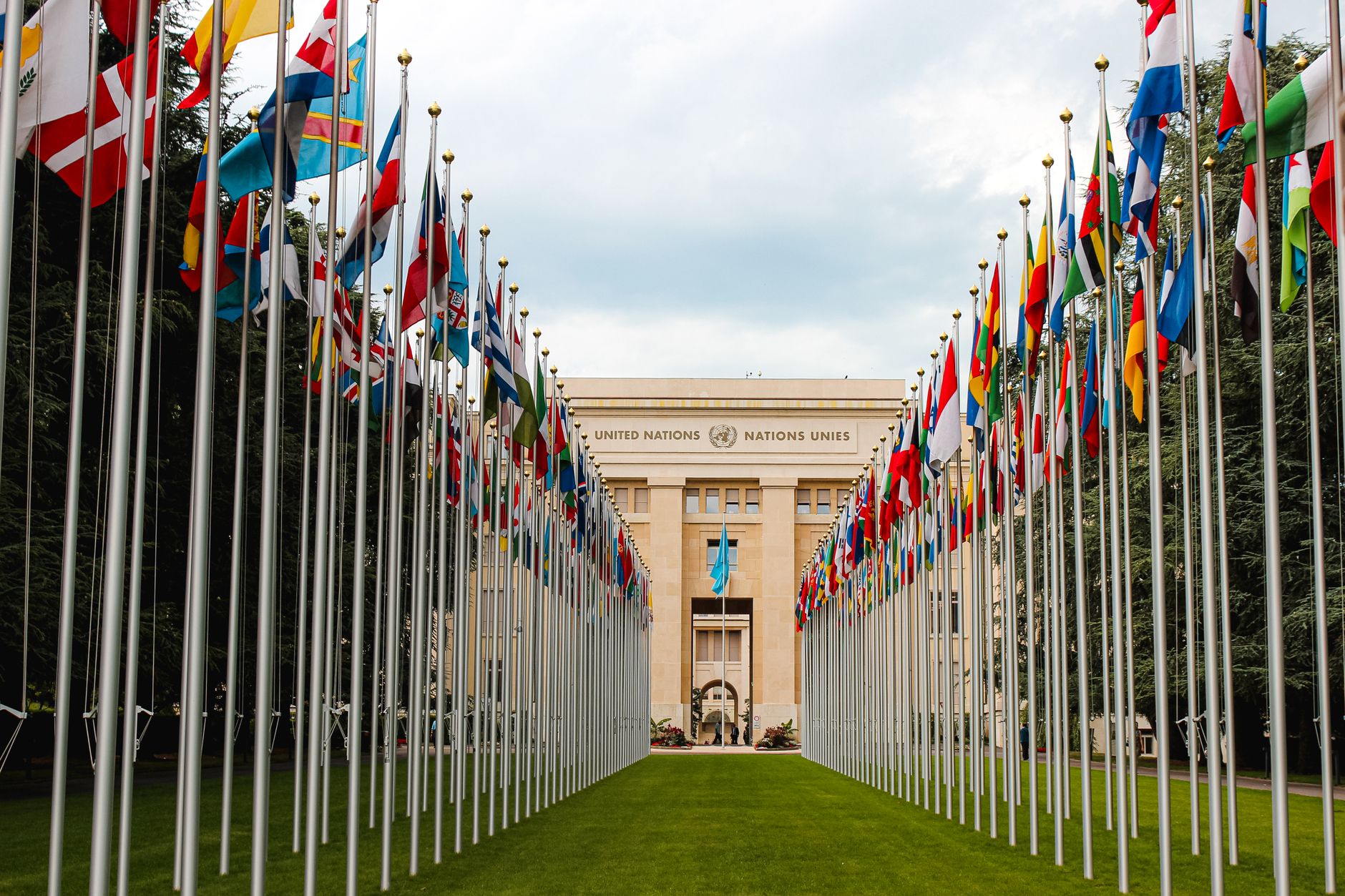
Photo: Mathias Reding
[…] Trump Sends China and Russia Diplomatic Thank-You Cards, Senate Checks Envelope […]