

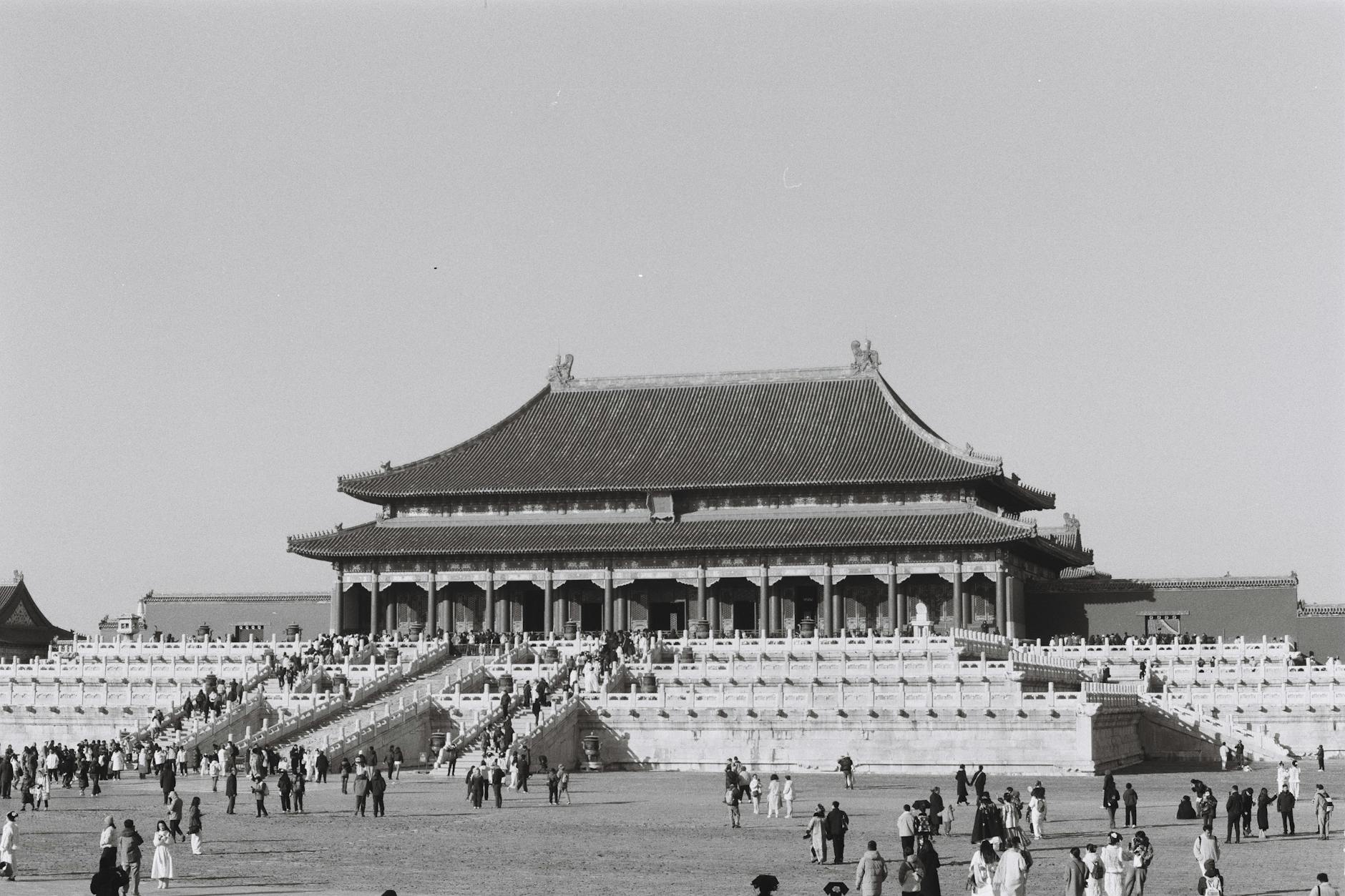
A completely reasonable response to an unreasonable political news cycle.
Justices reportedly asked whether international human rights claims can be redirected to a chatbot labeled Congress.
WASHINGTON — The Supreme Court on Saturday moved closer to establishing what legal scholars are calling “customer service sovereignty,” a doctrine under which Americans may not sue a corporation over alleged overseas human rights abuses if doing so would make the Court feel like it accidentally opened an email from the State Department.
The case involves plaintiffs who say they were tortured in China and want to sue Cisco, alleging the company helped enable government surveillance. But according to several people familiar with the Court’s marble-based anxiety, the justices are concerned that allowing the lawsuit to proceed could create the dangerous impression that courts sometimes hear cases.
“We are not saying torture is acceptable,” said one fictional senior Court Process Stabilization Official. “We are saying there may be a more appropriate venue, such as Congress, the executive branch, a blue-ribbon commission, or a locked printer in the basement of Foggy Bottom.”
Emergency Panel Formed To Determine If Accountability Counts As Foreign Policy
Within hours, Washington convened an emergency interbranch working group to decide whether alleged overseas corporate misconduct falls under law, diplomacy, trade, vibes, or “please ask someone else.” The panel reportedly included representatives from Congress, the court system, three think tanks, and one exhausted intern tasked with labeling binders “trump,” “iran,” “tariffs,” and “supreme” in case the news cycle needed them by lunch.
An official explanation released late Friday clarified that the federal judiciary remains “deeply committed to the rule of law, provided the rule arrives domestically, fills out Form 18-B, and does not implicate a router.”
“If every person allegedly harmed abroad could sue an American company here, that would force judges to learn facts,” said fictional Deputy Assistant Solicitor Brent Palisade. “The Constitution clearly anticipates a separation of powers, and also a separation of unpleasant PDFs.”
Court Warns Lawsuits Could Interfere With Nation’s Delicate Shrugging
Legal observers said the Court appeared particularly worried that a ruling against Cisco could invite future lawsuits involving corporations, foreign governments, surveillance systems, and other subjects traditionally handled through congressional hearings where no one answers the question before time expires.
To reduce institutional risk, the Court is reportedly considering a narrow ruling stating that plaintiffs may sue only if the alleged harm occurred within 40 feet of a gift shop selling pocket Constitutions.
Cisco has denied liability in the litigation. In a statement drafted with the serene confidence of a compliance department inside a submarine, the company said it “respects human rights, global connectivity, and the importance of courts carefully determining whether they are open.”
By Saturday afternoon, aides said the justices were reviewing several compromise options, including sending the case back to a lower court, dismissing it entirely, or placing it on hold until Congress creates a bipartisan Torture And Router Clarification Caucus, which would meet twice, blame tariffs, and adjourn for August.
“The system is working exactly as designed,” one Court-adjacent official said. “A person brought a serious claim, and every institution immediately began proving it has a voicemail tree.”
Reality Check
The real case concerns people who say they were tortured in China and are seeking to sue Cisco in U.S. courts. The Supreme Court is considering legal questions about whether such claims can proceed under U.S. law when the alleged conduct and harms involve foreign government actions overseas. Cisco has contested the lawsuit, and the Court’s eventual ruling could affect the ability to bring similar human rights claims against corporations in American courts.
Satire disclaimer: This article is satire and parody. It is not factual reporting.
Original source: The Washington Post
Image credit: 晓鸟 蓝 — source. Show a visible credit link to Pexels on the site.
[…] Supreme Court Weighs Cisco Case, Accidentally Invents Customer Service Sovereignty […]
[…] Supreme Court Weighs Cisco Case, Accidentally Invents Customer Service Sovereignty […]
[…] Supreme Court Weighs Cisco Case, Accidentally Invents Customer Service Sovereignty […]