

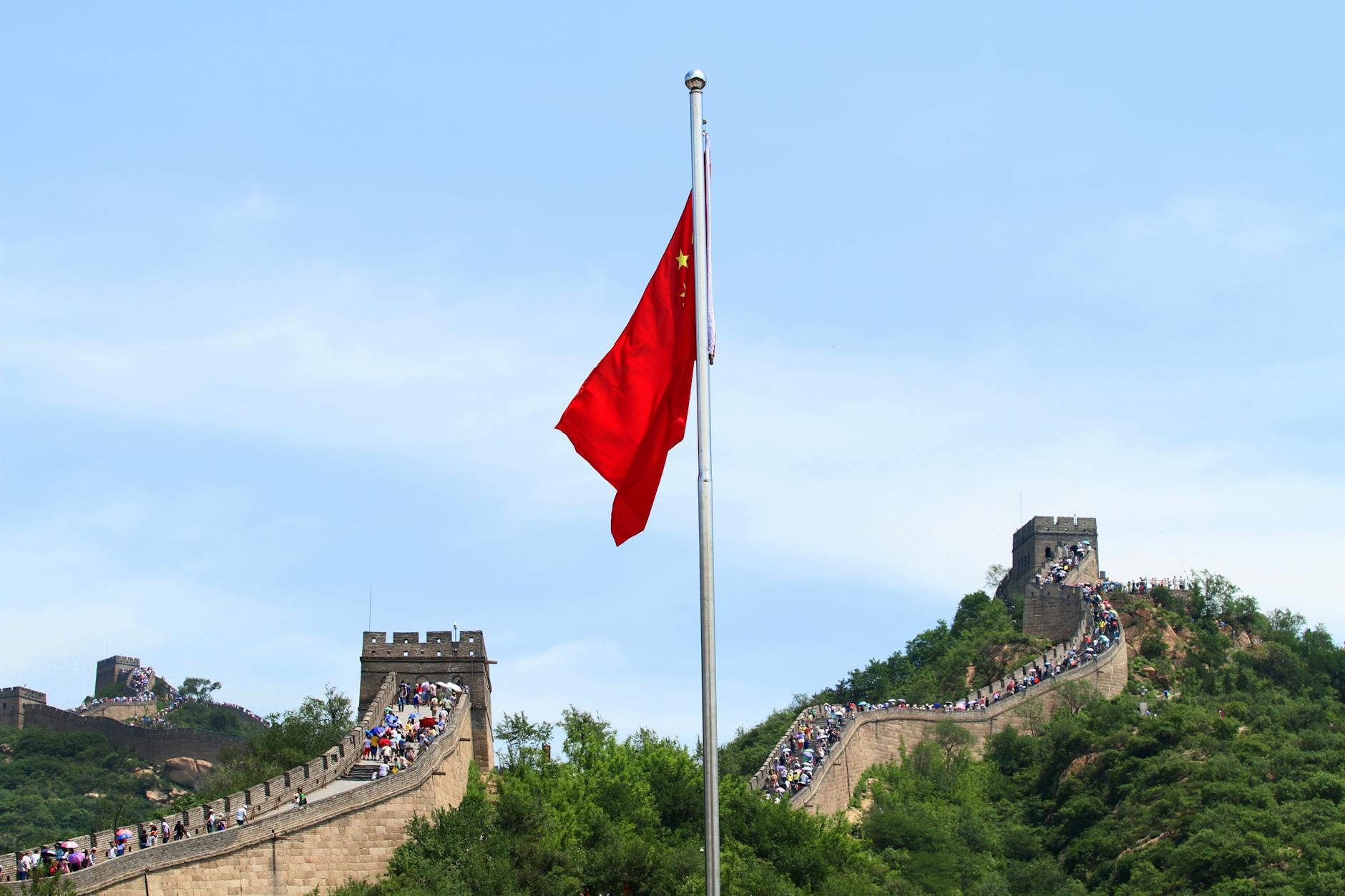
Diplomats urge Washington to “put down the economic rake” after Supreme Court bonks Trump-era trade war on the nose.
Calling it “deeply concerning that the United States continues to engage in self-directed economic violence,” Chinese officials on Tuesday gently encouraged Washington to lift unilateral tariffs, moments after the U.S. Supreme Court delivered a major legal bruise to Donald Trump’s trade-war legacy.
In a statement that read like a cross between a hostage note and a customer-satisfaction survey, China’s Ministry of Commerce said that “fighting is harmful” and recommended that the United States stop repeatedly walking into the same tariff doorframe at full speed.
Supreme Court Accidentally Triggers Global Feelings Talk
The Supreme Court, which technically only ruled on a narrow legal question about presidential tariff authority, reportedly became “deeply alarmed” when it realized its decision had summoned China to speak in the tone normally reserved for an emotionally exhausted kindergarten teacher.
“We did not intend to create a situation where a nuclear-armed rival is basically saying, ‘Buddy, you’re only hurting yourself,’” said one imaginary court clerk, speaking on background because they were still stuck in the building’s 27-minute security line.
To manage the fallout, the White House announced the formation of the Interagency Task Force on Not Making It Weird With China (ITFNMIWC), charged with determining how many trade wars the U.S. can legally lose to itself before it has to go sit in the hallway and think about what it’s done.
“Our tariffs have never been about economics,” explained a senior administration official. “They’ve been about the American people’s constitutional right to experience avoidable price increases as a form of spiritual growth.”
Congress Demands Hearings, Flowcharts, Deeper Confusion
On Capitol Hill, lawmakers from both parties insisted they are fully committed to either defending or dismantling the tariffs, depending on which television show they’re on when asked.
House leaders responded by scheduling a series of emergency hearings titled, “Tariffs, Trump, Supreme Court, China, Jobs, Supply Chains, Freedom, and Also Whatever That Thing Was With Chickens.” Each witness will be allowed five minutes to speak and 45 minutes to be theatrically interrupted.
“If China says fighting is harmful, then I have questions,” said one fictional member of Congress. “Who are we if we cannot punch ourselves in the face to own our rivals?”
Meanwhile, trade economists warned that lifting tariffs abruptly could destabilize the fragile ecosystem of think-tank panels that depend on the phrase “ongoing uncertainty” for their continued existence.
As markets monitored the situation with the dead eyes of entities that have seen this movie six times, China reiterated that it is “willing to cooperate on a mutually beneficial basis,” provided the United States stops treating the global economy like a folding chair in a wrestling match.
In a final note, Beijing reminded Washington that “fighting is harmful,” a phrase U.S. officials immediately classified as “foreign propaganda” before commissioning a $12 million study to conclude the exact same thing.
Reality Check
In reality, the Supreme Court recently issued a ruling that was seen as a setback for Donald Trump’s approach to tariffs and trade authority. In response, China publicly urged the United States to lift its “unilateral tariff measures,” warning that ongoing trade conflict is harmful to both economies. The comments reflect Beijing’s interest in easing trade tensions as legal and political battles over U.S. tariff policy continue. The satire above exaggerates those dynamics and invents all quotes, bodies, and commissions for comedic effect.
Satire disclaimer: This article is satire and parody. It is not factual reporting.
Original source: MSN
Image credit: Ramaz Bluashvili — source. Show a visible credit link to Pexels on the site.
[…] China Politely Asks U.S. To Stop Punching Itself In The Tariffs […]