

Officials say the new maritime strategy will contain China, reassure allies, and finally give Congress a map it can argue over incorrectly.
WASHINGTON — The United States formally reclassified the world’s major shipping straits as “a high-stakes chessboard with water damage” Friday, after the Iran war turned global maritime chokepoints into the kind of strategic crisis normally handled by think tanks, admirals, and one guy in Congress pointing at the wrong ocean.
According to officials familiar with the emergency briefing, the administration’s plan is to box out China from critical sea lanes by placing “firm but tasteful pressure” on shipping routes, regional partners, and several laminated maps that have already begun curling at the edges.
“This is not a game,” said Deputy Assistant Undersecretary for Maritime Anxiety Glenn Pritchard. “It is a rules-based international order simulation using game pieces, turn-based escalation, and a timer shaped like the Strait of Hormuz.”
The Supreme Strait Doctrine
The White House reportedly circulated a memo titled “Supreme Strait Doctrine: Court-Tested Water Squares For A Safer Tomorrow,” which argues that any nation controlling a narrow passage of ocean is legally required to make the United States feel calm about it.
Officials said the doctrine was designed after months of careful analysis, three tense interagency meetings, and a court clerk accidentally writing “checkmate?” in the margins of a tariffs case.
“Our position is simple,” said National Security Council spokesperson Dana Velt. “If China moves a rook through the South China Sea, we reserve the right to respond with a bishop, two destroyers, and a strongly worded invoice.”
The Pentagon clarified that the “bishop” is not a religious escalation but a “metaphorical naval posture asset,” a phrase officials repeated until reporters stopped asking follow-up questions.
Congress Demands Larger Pieces
On Capitol Hill, members of Congress responded with bipartisan concern that America’s maritime chessboard may not be large enough, aggressive enough, or manufactured in enough swing states.
Several lawmakers proposed emergency tariffs on Chinese chess sets, Iranian chess clocks, and any board game containing the word “strategy,” citing a need to protect domestic confusion.
“We cannot allow Beijing to dominate the global chokepoint entertainment-industrial complex,” said Rep. Marla Fenwick, standing beside a 14-foot pawn labeled FREEDOM OF NAVIGATION. “If trump taught us anything, it’s that trade policy is just foreign policy wearing a red hat and yelling at a port.”
An absurd official explanation released by the Department of Commerce stated that the tariffs would “restore maritime deterrence by making replacement knights prohibitively expensive,” thereby forcing rival powers to “think twice before moving diagonally near oil.”
Allies Asked To Remain Reassured
Allied governments were reportedly briefed on the plan through a 97-slide presentation titled “Please Do Not Panic At The Board,” which included arrows, sanctions pathways, and a photo of a container ship captioned “This Is Basically A Queen.”
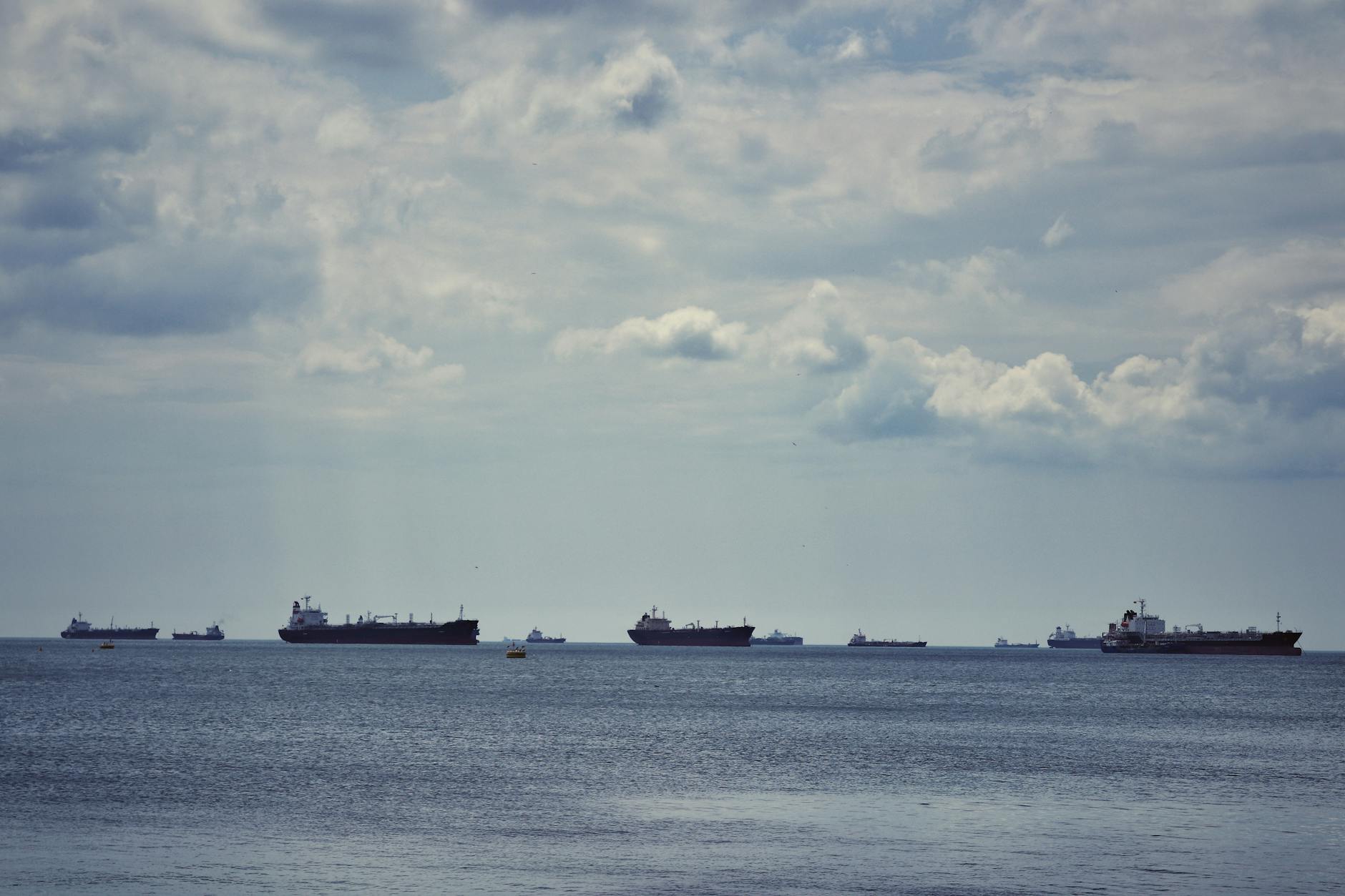
By late afternoon, officials confirmed the strategy had expanded to include the Panama Canal, the Suez Canal, the Bosporus, three major ports, and “any puddle China might be emotionally invested in.”
Asked whether the U.S. had a clear endgame, Pritchard was unequivocal.
“Absolutely,” he said. “The endgame is stability, deterrence, and locating the rulebook.”
Reality Check
Fortune reported that the Iran war has intensified the strategic importance of global shipping straits and maritime chokepoints. The U.S. is seeking to limit China’s influence over these routes while managing the broader economic and security risks tied to trade, energy flows, and regional conflict. The real issue involves military positioning, global commerce, and competition between major powers—not literal chess pieces.
Satire disclaimer: This article is satire and parody. It is not factual reporting.
Original source: Fortune
Image credit: Fatih Özkan — source. Show a visible credit link to Pexels on the site.
[…] U.S. Declares Shipping Straits A Board Game, Immediately Loses Rulebook […]