

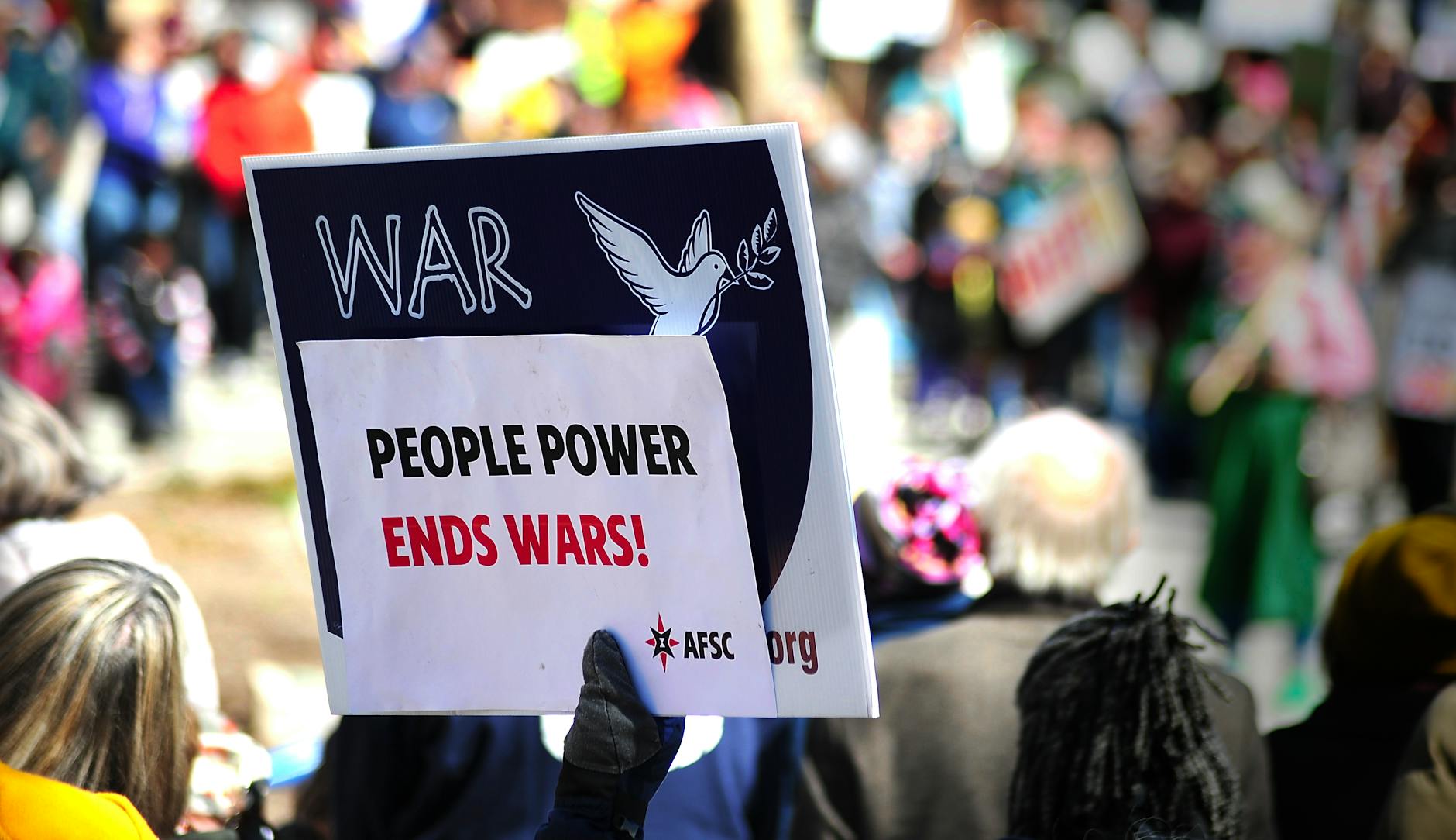
The chamber’s new policy would classify unauthorized escalation as a paperwork spill requiring immediate committee towels.
The Senate advanced a resolution Tuesday designed to limit President Trump’s ability to conduct military operations against Iran without congressional approval, prompting immediate development of what staffers described as a “hostilities intake workflow.”
Under the fictional emergency administrative framework, any proposed strike, escalation, retaliation, pre-retaliation, strongly worded carrier movement, or suspiciously muscular all-caps post would first require submission of Form WP-1973-B, “Request for Limited Regional Combustion.”
The form must include the intended target, legal rationale, anticipated duration, estimated number of Sunday show appearances required, and whether the president believes Congress is a coequal branch or merely a historical reenactment society.
The Hostilities Intake Process
Senate clerks have reportedly prepared a secure drop box labeled “Iran War Powers: Please Do Not Fold,” positioned between the committee hearing notices and a printer that has not recognized toner since 2019.
Once submitted, the request would proceed through a 72-hour review period, unless the president marks the matter “urgent,” in which case senators would be required to acknowledge receipt while continuing to look deeply concerned on cable news.
“This resolution restores the constitutional principle that war must be authorized by Congress, or at minimum routed through the correct tray,” reads a draft procedural memo circulated near the Senate cloakroom.
The memo further clarifies that military action may not be initiated solely on the basis of “strategic instinct,” “television segment momentum,” or “a map someone brought into the room with arrows already drawn on it.”
A Narrow Bipartisan Panic
The measure produced rare institutional focus, as senators briefly remembered that the Constitution assigned them a role in decisions involving war, peace, and whether the country should spend another decade explaining the difference between deterrence and improvisation.
Several members requested assurances that the resolution would not accidentally create a precedent requiring congressional approval for other executive activities, such as tariffs, emergency declarations, or announcing that China had been “handled” before breakfast.
White House allies argued that the president requires flexibility in foreign policy, particularly in fast-moving situations where events develop more quickly than the Senate can locate a quorum or agree on whether the Supreme Court will eventually make everything weirder.
“The commander in chief cannot be expected to wait for a committee markup every time the Middle East becomes flammable,” one fictional administration briefing note stated.
In response, Senate staff added an expedited checkbox for “flammable,” while emphasizing that the checkbox does not constitute authorization, appropriation, or emotional validation.
The resolution now moves forward with lawmakers promising a serious debate over war powers, followed by amendments, procedural objections, televised hallway statements, and at least one member asking whether the whole thing can be renamed something less accusatory.
Context
The real story is that the Senate advanced a resolution aimed at limiting President Trump’s ability to take military action against Iran without congressional authorization. War powers debates often center on how much authority the president has to act unilaterally and when Congress must approve the use of force.
Satire notice: This article is satire and parody. It is not factual reporting.
Inspired by: Al-Monitor
Photo: Germar Derron
[…] Senate Advances Form Requiring Trump To Requisition Iran Hostilities […]