

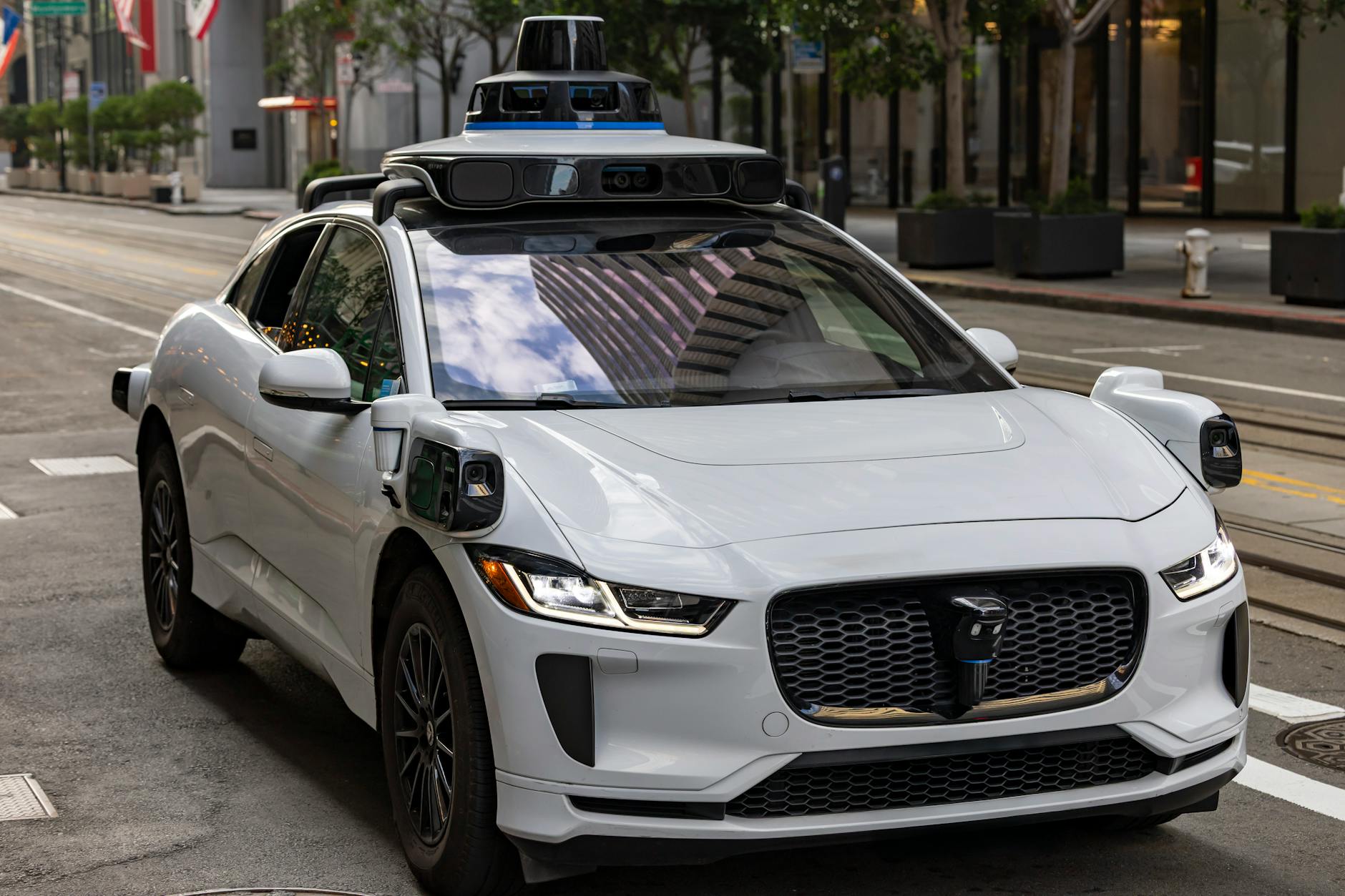
This china demands satire turns a real public story into fictional political commentary.
A new interagency memo classifies hesitation at four-way stops as a foreign policy vulnerability.
China Demands Briefing

Washington responded to reports of China gaining ground in autonomous driving with the calm precision of a filing cabinet falling down stairs.
The State Department opened a “mobility posture review” after analysts warned that Chinese self-driving systems may soon match U.S. technology. The review placed lane assist, robotaxis, and one nervous Chevy Bolt under provisional foreign policy supervision.
A seven-page memo from the Office of Strategic Steering instructed American autonomous vehicles to “project resolve” in school zones. It also warned cars not to yield “in a manner that could be interpreted as weakness by Beijing.”
“The United States will not be outmaneuvered by a sedan with better paperwork,” the memo stated.
Officials created a new diplomatic category called Near-Peer Parallel Parking. It applies to any foreign vehicle able to locate a curb without calling three satellites and a lawyer.
The Senate Requests A Very Patriotic Turn Signal
The Senate Transportation Committee scheduled a 2026 hearing titled “Hands Off the Wheel, Eyes on the Geopolitical Road.” Members requested testimony from automakers, software firms, and one traffic cone cleared for classified briefings.
Committee staff also prepared a chart showing America’s traditional strengths. These included horsepower, cup holders, and the constitutional right to ignore a dashboard warning light until Tuesday.
One senator demanded that every U.S. autonomous car display “confidence” while merging. A staff note clarified that confidence means entering traffic decisively, then blaming the court system if anything beeps.
The Commerce Department proposed export controls on smug lane changes. The rule would require companies to prove no algorithmic shrug reaches China, Russia, or a valet stand in York, Pennsylvania.
New Protocols For Machines That Refuse To Salute
The Pentagon asked whether driverless cars can participate in deterrence. Its first draft strategy involved placing a robotaxi outside an embassy and making it circle the block with meaningful intent.
The Department of Motor Vehicles resisted the plan. A regional administrator warned that national security exemptions could allow vehicles to skip Form AV-19B, the required application for blinking with purpose.
Former Trump transportation aides reportedly favored a simpler approach: require every American self-driving car to honk the national anthem before accepting a software update. Engineers reduced the proposal to two beeps and a firmware apology.
The Times obtained a draft bumper sticker reading, “My Other Car Is A Rules-Based International Order.” Procurement staff rejected it after discovering it exceeded the federal maximum for useful information.
By late afternoon, agencies agreed on a temporary response. U.S. autonomous vehicles will continue driving normally, but with a laminated dashboard card reminding them that history is watching the left turn.
Context
The Detroit News reported that experts see China closing the gap with the United States in autonomous driving technology. Chinese firms have expanded testing, software development, and robotaxi programs.
The real issue involves industrial policy, regulation, data, safety testing, and competition between major auto and technology companies. This satire imagines Washington treating that technology race like a formal diplomatic incident.
Photo: Stephen Leonardi