

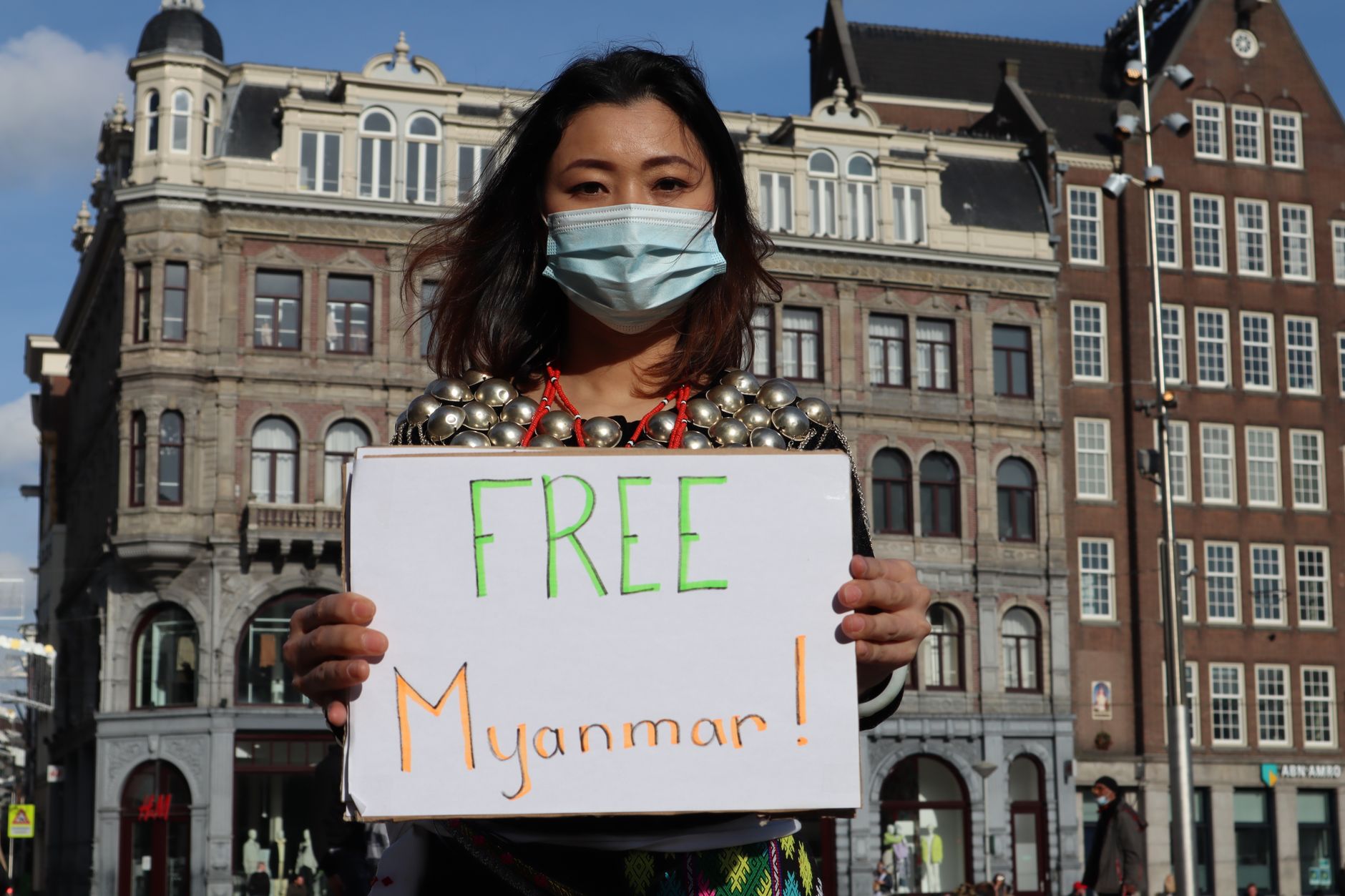
This china arrest satire turns a real public story into fictional political commentary.
The new compliance form asks whether a bibliography has ever made eye contact with a border guard.
China Arrest Briefing

In a wholly fictional response to a real foreign policy story, the Department of Academic Object Control advised U.S. colleges to treat footnotes as “small, numbered travelers with unclear intentions.”
Universities Move To Contain The Bibliography
The advisory followed reports that China arrested a U.S. scholar on suspicion of espionage. Within minutes, campus administrators placed every endnote in a locked drawer labeled “Maybe China.”
The new Form BIB-17 asks professors to disclose all citations, maps, acknowledgments, and “sentences that appear to know where Myanmar is.” A separate box covers suspicious italics.
Universities must now register any syllabus that crosses a border, references a court, or includes the phrase “regional dynamics.” Faculty must also declare office hours as diplomatic cargo.
The Senate Foreign Relations Committee requested a binder on the matter. Staff delivered three binders, one map, and a frightened stapler wearing a visitor badge.
“We are not saying a footnote is a spy,” one compliance director wrote. “We are saying it has not completed orientation.”
Campus international offices began issuing blue lanyards to approved adjectives. Red lanyards went to verbs with a history of activism, including “organize,” “document,” and “compare.”
One law school offered a new moot court exercise. Students must argue that their professor’s conference panel was not a covert operation, despite having coffee, name tents, and a projector.
The State Department, in this imagined briefing, urged Americans abroad to avoid carrying notebooks that “look like they have follow-up questions.” It also warned against pens with strong opinions.
The Supreme Court was briefly mentioned after someone asked whether marginalia has constitutional rights. A clerk replied that the docket is full until every justice finishes blaming a notes app.
Foreign policy analysts produced a chart comparing China, Iran, and the Trump-era classification of “people who read too much.” The chart showed rising risk wherever a graduate seminar meets near a flag.
By afternoon, universities had renamed several departments. Political science became “Room 204.” Asian studies became “Non-Operational Humanities.” The library became a climate-controlled warehouse for laminated suspicion.
Context
Audacy reported that a U.S. scholar with a history of activism related to Myanmar was arrested in China on suspicion of espionage. The case involves a real person and serious diplomatic concerns.
This article is satire. It exaggerates the institutional reaction by imagining U.S. universities and agencies treating normal academic work as if it required national security paperwork.
Photo: Zack Tu Nan
[…] China Arrest Prompts U.S. Colleges To Register All Footnotes […]