

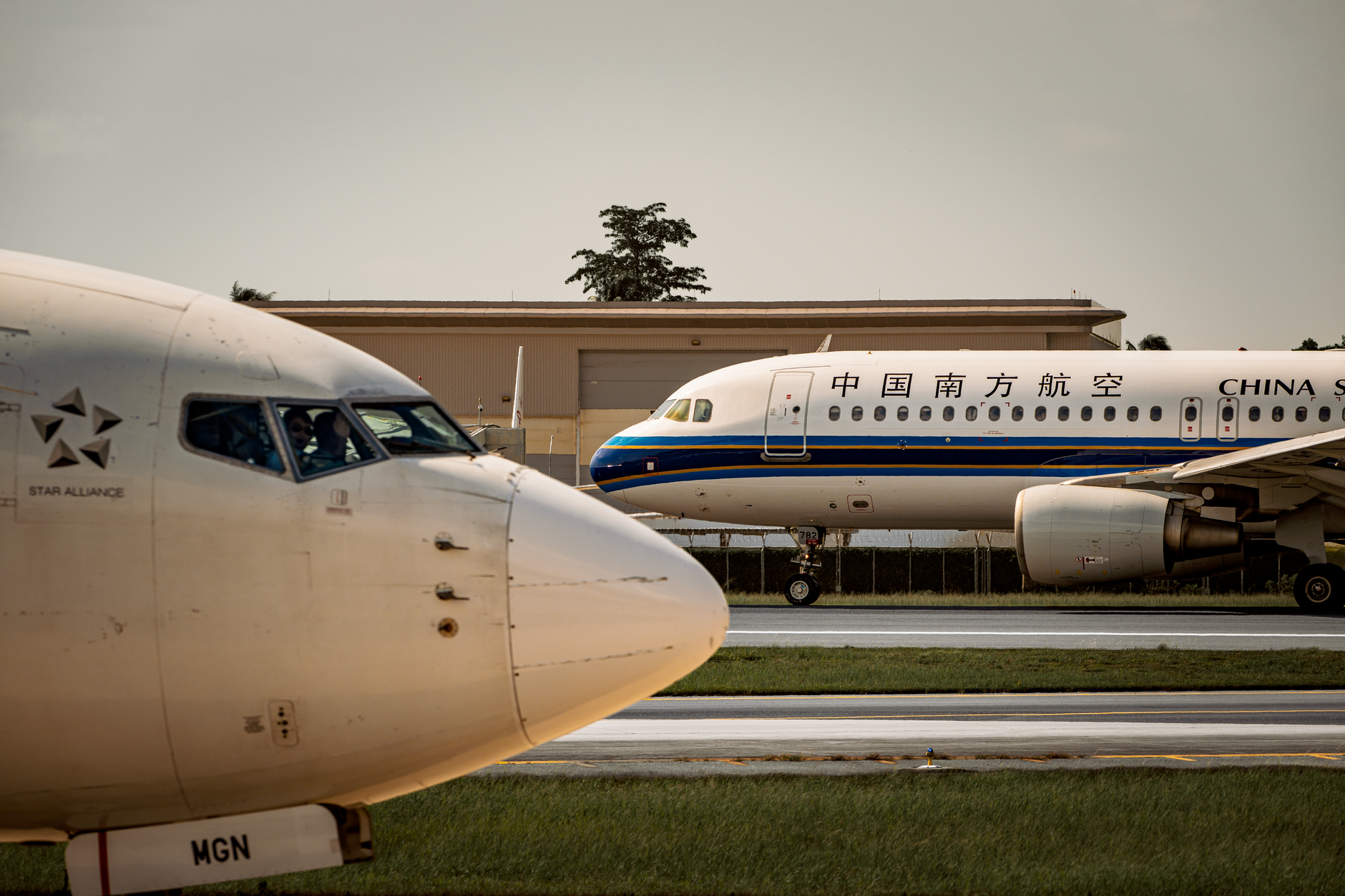
This china washington satire turns a real public story into fictional political commentary.
A new memo warns that several data centers had been “too polite” to badge lanyards with overseas ambitions.
China Washington Briefing

The National Security Council on Monday circulated a fictional three-page memo instructing American AI servers to reject suspicious calendar invites, unsolicited white papers, and anyone carrying a tote bag labeled “Strategic Partnership.”
The memo followed reports that China-linked technology firms have been seeking access to U.S. AI companies and data centers. Washington responded by treating the matter as both a foreign policy issue and an office birthday party with espionage risk.
Under the new protocol, data centers must ask visitors whether they are here for cloud services, regional domination, or “just looking at the fans.” The third answer now triggers a laminated frown.
Federal Guidance Adds A Cooling Tower Annex
The Commerce Department’s new Form GPU-7 requires companies to inventory every chip, rack, cable, and nervous intern. A separate appendix covers the national security status of branded fleece vests.
Facilities must also place small warning signs near server rooms. The approved language reads: “This machine may contain trade secrets, defense applications, and one forgotten Trump tariff spreadsheet.”
“No one should be allowed to tour a data center with the emotional confidence of a wedding photographer,” one fictional deputy undersecretary said.
The Senate Foreign Relations Committee requested a briefing in Room 216, after moving the Iran sanctions binder aside to make room for a scale model of a suspicious loading dock.
Access Badges Now Require A Geopolitical Statement
Badge printers have received interim guidance from the Office of Personnel Management. New visitor passes must include name, company, lunch preference, and whether the wearer recognizes the sovereignty of the conference room.
Security guards will receive a pocket card listing risky phrases. These include “joint venture,” “friendly data-sharing deal,” and “we heard you have the good Nvidia.”
The Department of Energy asked whether cooling systems count as critical infrastructure or just very committed air conditioning. The answer arrived in a sealed envelope marked “both.”
A federal court clerk reportedly prepared a draft question for the Supreme Court. It asks whether servers have a constitutional right to sleep mode during great-power competition.
Defense planners proposed a “zero-trust lobby” where all visitors sit facing a ficus while a printer slowly decides if they exist. The pilot program failed after the ficus received a badge first.
By late afternoon, agencies agreed that America’s AI future depends on innovation, resilience, and one exhausted contractor guarding the snack table with a laminator.
Context
The Foundation for Defense of Democracies published an analysis warning that China-linked technology companies are targeting U.S. artificial intelligence firms and data centers. The concern centers on access to advanced chips, infrastructure, and sensitive data.
The real issue fits into a broader U.S.-China technology rivalry over AI, semiconductors, cloud computing, and national security. This article satirizes how Washington might turn that concern into paperwork, signage, and procedural theater.
Photo: Optical Chemist
[…] Washington Orders AI Servers To Stop Accepting Suspicious Friend Requests […]